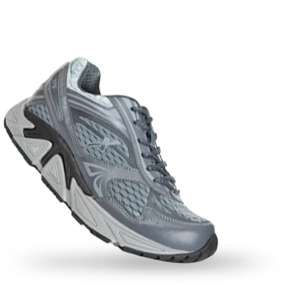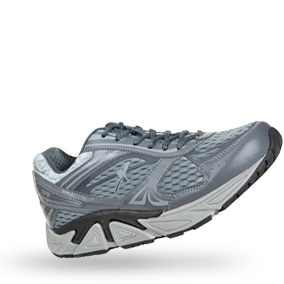
That first step out of bed can tell you everything. If your heel feels sharp, tight, or bruised before your foot even settles on the floor, plantar fasciitis is often the reason. For many people, recovery slides for plantar fasciitis make those in-between hours easier – the time at home, after a walk, after exercise, or anytime going barefoot would leave the foot working harder than it should.
Plantar fasciitis is not just a morning problem. It tends to build through repeated stress. Long hours standing, unsupportive shoes, hard floors, tight calves, and poor gait mechanics can all keep the plantar fascia irritated. That is why relief often depends less on one dramatic fix and more on reducing daily strain, step after step.
A recovery slide is not a medical cure, but it can play a useful role in symptom management. The right pair helps by cushioning impact under the heel, supporting the arch, and improving how force moves through the foot. When that support is missing, the plantar fascia can be asked to absorb more tension with every step.
This matters most in places people overlook. Kitchen floors, tile bathrooms, garage floors, and short trips outside are common triggers because many people switch to bare feet, flat slippers, or worn-out sandals at exactly the time their feet need support. A recovery slide gives the foot a more stable platform during those casual moments.
For people with plantar fasciitis, that support is often most noticeable in two areas. First, heel cushioning can reduce the jarring sensation that flares pain. Second, a shaped footbed can keep the arch from collapsing excessively as weight shifts forward. Together, those features may help reduce stress on already inflamed tissue.
Not every slide marketed as comfortable is built for recovery. Softness alone is not enough. In fact, a slide that feels overly plush but unstable can let the foot roll too much, which may aggravate symptoms rather than calm them.
Arch support should be present, but it also needs to feel balanced. If the arch is too aggressive, it can feel intrusive. If it is too flat, it will not do much to offload the fascia. The goal is support that feels secure under the midfoot without forcing the foot into an unnatural position.
Heel cushioning matters, but so does the shape of the heel area. A well-designed footbed helps cradle the rearfoot instead of letting it slide around. That can improve stability and reduce the small compensations that sometimes travel upward into the ankle, knee, or hip.
A rocker-inspired sole or forward-motion geometry can also help, depending on the person. By encouraging smoother transition through the gait cycle, this type of design may reduce the amount of bending demand placed on the forefoot and plantar fascia. For some wearers, that translates to less fatigue and less tugging through the bottom of the foot.
The outsole should provide traction, especially for indoor-outdoor use. Slipping changes how you load the foot, and that can quickly turn a supportive shoe into a frustrating one. A secure upper matters too. If your toes have to grip constantly to keep the slide on, the foot may stay tense instead of relaxed.
It helps to keep expectations realistic. Recovery slides for plantar fasciitis can improve comfort and reduce repeated stress, but they are not a substitute for a complete recovery plan when symptoms are persistent.
If your plantar fasciitis is driven by calf tightness, poor ankle mobility, overtraining, or an unsupportive walking shoe, slides alone will not correct the whole problem. They are best viewed as one part of a broader support strategy. That may include stretching, activity modification, more structured footwear during the day, and replacing shoes that have lost stability.
There is also a timing issue. Some people feel better in recovery slides right away. Others need to ease into them, especially if they have been wearing very flat shoes for a long time. A gradual break-in period is often the smarter approach than wearing a new pair all day on day one.
Recovery slides are especially useful during lower-demand parts of the day. Around the house is the obvious example, but they can also help after a run, after a long shift, on travel days, or during post-workout recovery when your feet feel fatigued and compressed.
They are often a strong option for people who know their symptoms spike when they go barefoot. That pattern is common with plantar fasciitis. The foot meets a hard floor with no cushioning, the arch gets no guidance, and the heel takes the impact directly. A supportive slide can interrupt that cycle.
That said, slides are not ideal for every setting. If you are walking long distances, carrying heavy loads, or dealing with significant instability, a more structured walking shoe may be the better choice. Open footwear has limits, even when it is well designed.
Plantar fasciitis rarely happens in isolation. The way your rearfoot moves, how your arch responds to load, and how smoothly you progress through each step all affect stress on the plantar fascia. That is why alignment matters.
A supportive recovery slide can help keep motion from becoming excessive, especially if your foot tends to roll inward too far. Better control at the foot can reduce compensation up the chain and create a more efficient base for standing and walking. For many adults managing foot pain, that stability is what separates footwear that feels good for five minutes from footwear that still feels good later in the day.
This is also where product design becomes more important than trend-driven comfort claims. A slide built around biomechanical support, stable cushioning, and controlled forward movement is usually more helpful than one designed only to feel soft underfoot.
Your feet usually give clear feedback. If heel pain gets worse after wearing your slides around the house, or if your arches ache and your toes grip to stay in place, your footwear may be adding stress. Another sign is if the foam has compressed unevenly and your foot now sits tilted or unstable.
Look at wear patterns too. If one side is collapsing or the sole has lost its structure, the slide may no longer support your mechanics the way it once did. Recovery footwear is still footwear – materials fatigue over time, especially with daily use.
People sometimes hold onto casual footwear much longer than they would a walking shoe because it looks fine from the top. The support story is usually happening underneath.
Think of slides as your support layer between high-demand activities. They work best when they help you avoid the common traps that keep plantar fasciitis irritated. Wear them on hard floors instead of going barefoot. Use them after exercise when your feet are tired and more vulnerable to strain. Keep them by the bed if your first steps are the most painful part of the day.
Pair that with the basics that make a real difference: calf stretching, replacing worn-out shoes, managing sudden increases in walking or training volume, and choosing more supportive footwear for errands and longer outings. If your everyday shoes are too flexible, too flat, or too unstable, your slides may help at home while the bigger problem continues outside.
For shoppers focused on relief, support, and long-term comfort, the best recovery footwear usually does not advertise itself with flashy language. It earns trust by helping the foot feel more aligned, more stable, and less punished by ordinary movement. That is the standard to look for.
If plantar fasciitis has made even short walks around the house feel like work, supportive recovery slides are worth considering. The right pair will not do everything, but it can make daily movement less aggravating and give your feet a better chance to settle down instead of staying inflamed.