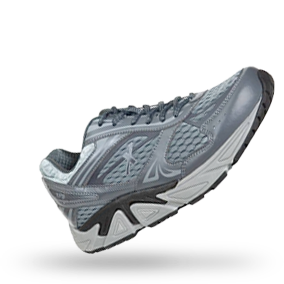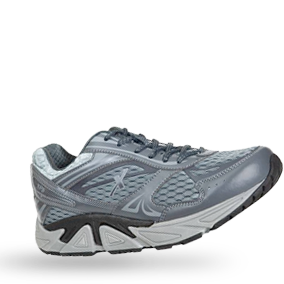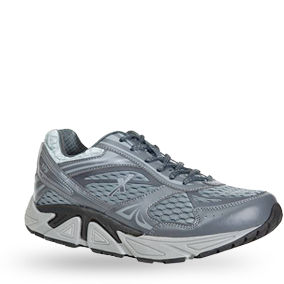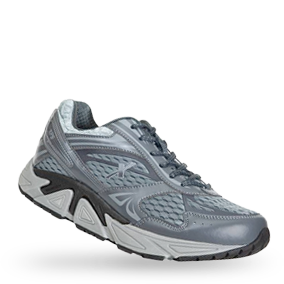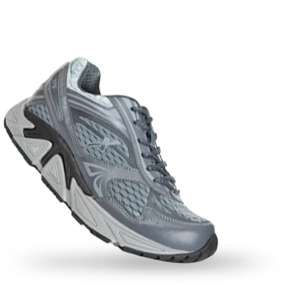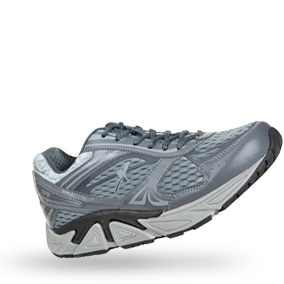
A shoe can feel soft in the store and still leave your feet, knees, or lower back complaining by the end of the day. That is why learning how to choose walking shoes matters. The right pair should not just feel comfortable for five minutes – it should support alignment, control excess motion, absorb impact, and help you move forward with less strain.
Walking puts repetitive stress through the foot and up the kinetic chain. If your shoes are too flexible, too unstable, or simply the wrong shape for your foot, that stress does not stay in one place. It can show up as heel pain, forefoot pressure, tired arches, knee irritation, hip discomfort, or a general sense that walking takes more effort than it should.
The best walking shoe is not the same for every person. Some walkers need more cushioning, while others need more control. Some need extra room through the forefoot, while others need a secure heel to prevent sliding. The first step is to match the shoe to your mechanics, not just your size.
If you tend to overpronate, meaning your foot rolls inward too much during the gait cycle, a neutral shoe may feel comfortable at first but fail to provide enough stability over time. If you have arthritis, plantar fasciitis, diabetes-related sensitivity, or joint discomfort, pressure distribution and underfoot protection become even more important. And if you walk for fitness, long work shifts, travel, or all-day errands, you need a shoe that stays consistent long after the first mile.
A practical way to think about it is this: your walking shoe should reduce unnecessary motion, not force your body to work harder to create stability on its own.
Many people shop by cushioning level or brand reputation first, but fit is what determines whether a shoe can actually do its job. A well-engineered walking shoe still needs to match the shape of your foot.
Your toes should have room to spread naturally without hitting the front of the shoe. At the same time, your heel should feel secure rather than loose or unstable. If the shoe is too short, you may get toe pressure, black toenails, or forefoot discomfort. If it is too wide in the heel, your foot can slide, which creates friction and reduces control.
Try shoes later in the day if possible, when feet are slightly more swollen and closer to their walking size. Wear the type of socks you would normally use. Pay attention to width as much as length. Many walking problems come from wearing a shoe that is technically the right length but too narrow across the ball of the foot.
A good fit should feel supportive without pinching. It should not require a break-in period to become tolerable.
If you feel numbness, rubbing at the heel, pressure on the little toe, or the sense that your arch is sitting in the wrong place, the fit is off. Those are not small issues. Over time, they can change how you walk and increase stress on other joints.
Soft cushioning gets attention because it feels pleasant right away. But for walking, softness alone is rarely enough. If the midsole compresses too easily or the platform feels unstable, your foot may collapse inward or rock excessively with each step.
A better goal is balanced cushioning. You want enough shock absorption to reduce impact, paired with enough structure to guide the foot through a stable gait cycle. This is especially important for people with foot fatigue, alignment issues, or pain that travels upward into the knees, hips, or back.
Look for a shoe with a stable base, a supportive midsole, and a secure heel counter. When you hold the shoe, it should not twist too easily through the middle. Some flexibility in the forefoot is normal and useful, but a walking shoe should not bend like a slipper.
That trade-off matters. An ultra-soft shoe may feel great on carpet and less great after an hour on pavement. A more structured shoe can feel firmer at first while providing better long-term comfort because it reduces mechanical stress.
Walking shoes are different from general athletic shoes because walking has its own movement pattern. The heel strikes first, weight rolls through the midfoot, and then the body moves forward over the forefoot. A good walking shoe should support that progression smoothly.
This is where geometry and motion-control features can make a real difference. A shoe designed to promote forward motion can help reduce drag through the gait cycle and limit wasted movement. For walkers dealing with instability or pain, that can translate into less fatigue and more confidence.
If you often feel like your stride is heavy, flat, or effortful, the issue may not be your walking habit alone. Your shoes may not be helping you move efficiently.
The outsole should provide traction without feeling bulky. The midsole should feel stable under the heel and midfoot. Rocker-style designs or forward-motion features can be especially helpful for people who want smoother transitions, but the benefit depends on individual mechanics. For some, it eases pressure under the forefoot. For others, the priority is stronger rearfoot control.
More cushioning is not always better. Less cushioning is not automatically more natural. The right amount depends on your body weight, walking surface, activity level, and any pain you are trying to prevent or reduce.
If you walk mostly on concrete or hard indoor floors, moderate to high shock absorption may help reduce cumulative stress. If you have balance concerns, however, very thick and soft foam can sometimes make you feel less planted. If you have sensitive joints but also need motion control, look for cushioning that works together with structure rather than replacing it.
People managing plantar fasciitis often benefit from a combination of heel stability, arch support, and impact protection. Those with forefoot pain may want more cushioning under the ball of the foot and enough toe box space to avoid compression. If knee or hip discomfort is part of the picture, alignment and gait efficiency usually matter just as much as softness.
If pain is already part of your daily routine, shoe selection becomes more specific. The goal is not simply comfort. It is reducing the forces that aggravate the problem.
For heel pain, look for a stable heel platform, good shock absorption, and a secure fit that keeps the foot from sliding. For arch strain, supportive structure through the midfoot often matters more than plush padding. For knee pain, excessive inward rolling can be a factor, so a more stable shoe may help improve tracking through the lower body. For lower-back discomfort, uneven gait mechanics and repeated impact can both contribute, which makes alignment-focused footwear especially valuable.
This is one reason performance comfort brands like Xelero focus on biomechanics rather than just softness. Pain relief often comes from better control and support, not from adding more foam alone.
A few steps across the store are not enough. Walk long enough to notice whether the heel feels secure, whether the arch support feels correctly placed, and whether the forefoot bends where your foot naturally bends.
You should not feel like you are fighting the shoe. You also should not feel unstable, tilted, or sloppy through the stride. Notice how the shoe feels when turning, stopping, and walking at your normal pace. If one shoe feels comfortable but leaves you unsure about stability, that uncertainty usually becomes more obvious with longer wear.
It also helps to compare pairs directly. The difference between a neutral cushioned shoe and a motion-control walking shoe may become clear only when you walk in both back to back.
Even the right walking shoe has a lifespan. Support materials compress over time, outsole grip wears down, and the shoe gradually loses the ability to control motion and absorb shock the way it did when new.
If your shoes suddenly feel flatter, less stable, or less protective, that is not your imagination. You may also notice familiar aches returning for no obvious reason. For frequent walkers, that can be an early sign the shoe is past its effective life.
Do not wait until the upper is torn apart. A shoe can look fine and still stop delivering the support your body relies on.
Some people need roomy comfort for long days on their feet. Others need firmer control to manage overpronation and reduce joint strain. Many need both. The best decision usually comes from being honest about how you walk, where you hurt, and what your current shoes are not doing well.
When you choose a walking shoe that matches your mechanics, the benefit goes beyond foot comfort. Walking feels smoother. Fatigue builds more slowly. Daily movement becomes easier to trust. That is the standard worth shopping for.