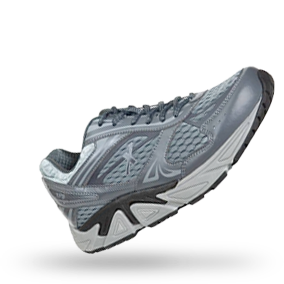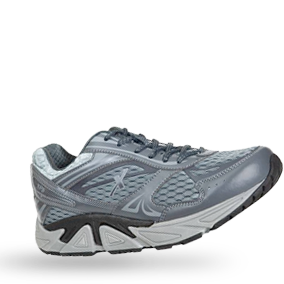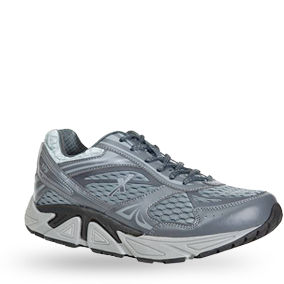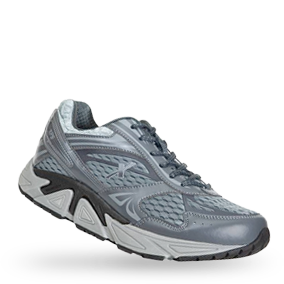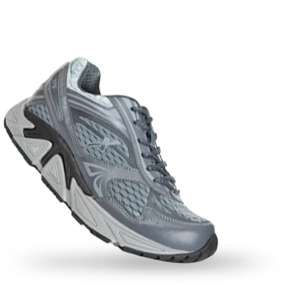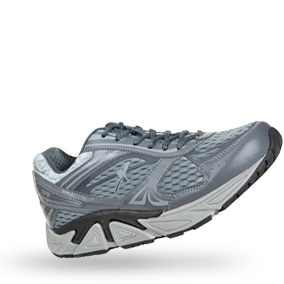
A rocky trail has a way of exposing every weak point in a shoe. If your feet slide, your arch collapses, or your heel wobbles on uneven ground, the strain does not stay in your feet for long. It moves up into the ankles, knees, hips, and lower back. That is why supportive hiking shoes matter so much. The right pair does more than add cushioning. It helps control motion, improve alignment, and keep each step more stable from the first mile to the last.
For many hikers, support becomes even more important when staying active starts to compete with discomfort. If you deal with foot fatigue, overpronation, plantar fasciitis, sore knees, or lower-back tension, the wrong hiking shoe can turn a good outing into a painful one. A supportive design can help reduce that stress by guiding the foot through a more efficient gait cycle and limiting excess movement on uneven terrain.
Support is often confused with softness, but they are not the same. A very soft shoe may feel comfortable for a few minutes, yet still allow too much inward roll, side-to-side instability, or heel movement. Supportive hiking shoes are built to manage motion while still cushioning impact.
That usually starts with the midsole and overall platform. A stable shoe resists excessive compression and helps keep the foot centered over the sole. This matters on trails where roots, loose gravel, and sloped surfaces constantly challenge balance. When the platform is too flexible or unstable, the foot works harder to compensate, and that extra effort can lead to fatigue and joint stress.
Heel structure also plays a major role. A secure heel counter helps hold the rearfoot in place, which can improve stability during landing and push-off. Add proper arch support and a well-shaped footbed, and the shoe becomes more than trail protection. It becomes part of how your body maintains alignment through motion.
Walking on pavement is repetitive and predictable. Hiking is neither. Trails force your body to adapt with every step, often while carrying extra weight from a pack or navigating elevation changes. That raises the demand on your feet and lower body.
Supportive hiking shoes help reduce the amount of corrective work your body has to do. On descents, they can improve control and reduce sliding that jams the toes or stresses the knees. On uneven ground, they can limit unstable rollover that challenges the ankles. On longer hikes, they can help preserve comfort by keeping your stride more efficient as fatigue sets in.
There is also a practical trade-off here. Some hikers prefer a very light, flexible shoe because it feels faster and less bulky. That can work well for short, simple trails and people with strong mechanics and no pain concerns. But if you need relief, better control, or all-day comfort, a more supportive hiking shoe is often the better choice. A little more structure can mean a lot less strain.
The first thing to evaluate is stability underfoot. Look for a shoe with a broad, grounded base rather than one that feels tall, narrow, or overly soft. A supportive platform helps distribute pressure more evenly and reduces wobble on irregular surfaces.
Midsole design matters just as much as outsole traction. A shoe can have aggressive tread and still lack the support needed for real comfort. Focus on midsoles that provide cushioning without collapsing too easily. The goal is shock absorption with control, not a marshmallow feel that lets the foot drift.
Arch support should feel present but not intrusive. If the arch area is too flat, your foot may overwork to maintain position. If it is too aggressive for your shape, it can create pressure and irritation. The best fit supports the natural contour of your foot while helping guide motion.
Heel security is another non-negotiable feature. If your heel lifts excessively or shifts side to side, your stability suffers quickly. A firm heel counter and a well-padded collar can help lock in the rearfoot without creating friction.
Forefoot flexibility should be balanced. You want enough bend to move naturally through toe-off, but not so much that the shoe twists too easily in the middle. Too much torsional flexibility can reduce support on uneven ground and leave the foot working harder than it should.
Even the best supportive design cannot do its job if the fit is off. A hiking shoe should hold the heel securely, provide enough room in the toe box, and feel stable through the midfoot. If your toes are cramped, you may develop hot spots or pressure on descents. If the fit is too loose, your foot can slide and lose the benefit of the support system.
Many people make the mistake of trying on hiking shoes while standing still and judging them only by softness. A better approach is to pay attention to control. Does your heel feel anchored? Does the arch feel supported without poking? Does the shoe feel steady when you shift side to side? Those signals often tell you more than plushness alone.
It is also worth remembering that foot volume, swelling, and sock thickness affect fit. A shoe that feels perfect for a short walk indoors can feel very different after a few miles outdoors. If you hike longer distances or in warm conditions, plan for a little extra room up front without sacrificing heel lockdown.
Supportive hiking shoes are especially helpful for hikers who need more than basic trail protection. If you tend to overpronate, struggle with balance, or feel recurring pain in the feet, knees, hips, or lower back, added support can make hiking more comfortable and sustainable.
They are also a smart option for older adults and anyone returning to activity after an injury flare-up. In those cases, comfort is not just about softness. It is about reducing unnecessary motion, improving step-to-step stability, and helping the body move with less irritation.
Support can also benefit hikers carrying extra body weight or heavier packs. More load means more force moving through the lower body. A stable, well-structured hiking shoe can help manage those forces more effectively than a minimal shoe with limited control.
A supportive hiking shoe works well for many day hikes, packed trails, and mixed terrain. It offers a lower-profile feel and is often easier to walk in than a boot. For many people, that is the right balance of support, comfort, and mobility.
But it depends on the terrain and the level of protection you need. If you are hiking on very rugged ground, carrying a heavier pack, or want more ankle coverage, a hiking boot may be the better option. The key point is that low-cut does not have to mean low support. A well-designed hiking shoe can still deliver meaningful motion control and alignment benefits.
One of the biggest mistakes is choosing shoes based only on tread or appearance. Grip matters, but traction alone will not fix poor mechanics or stop fatigue caused by instability. Another common issue is assuming more cushioning always means more comfort. Without support, soft cushioning can actually increase strain by allowing too much unwanted motion.
Some hikers also wait too long to replace worn shoes. Once the midsole breaks down or the heel becomes unstable, the support profile changes even if the outsole still looks usable. If your shoes suddenly feel less steady, or your usual trail starts leaving you sore in new places, wear may be the reason.
The right hiking shoe should make the trail feel more manageable, not more demanding. Supportive hiking shoes are designed to reduce excess motion, improve stability, and help your body handle impact with better alignment. For hikers who value comfort, pain prevention, and confident footing, that support is not a luxury. It is part of what keeps movement enjoyable.
At Xelero, that belief is central to how supportive footwear should perform. A hiking shoe should not just protect your feet from the ground below. It should help your whole body move better above it. When your footwear works with your mechanics instead of against them, getting outside becomes easier to keep doing.