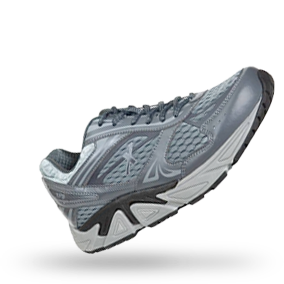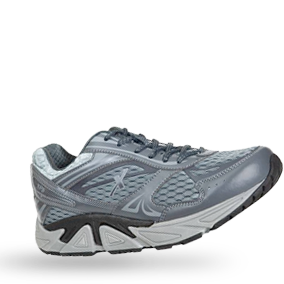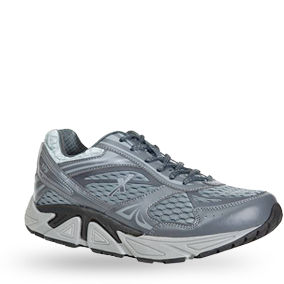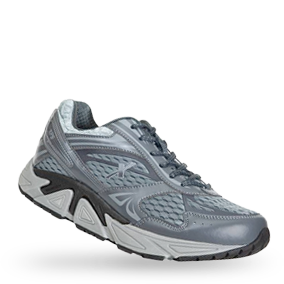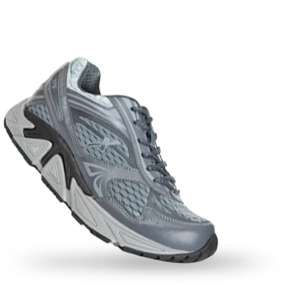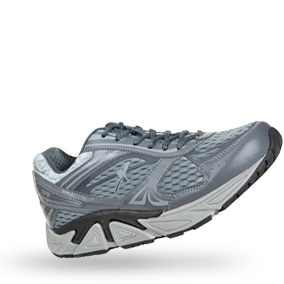
A shoe can feel soft in the store and still leave your feet, knees, or lower back irritated by the end of the day. That is the problem with judging comfort on first step alone. When people search for comfort shoes for men, what they often need is not just cushioning, but support that keeps the body moving in a more stable, efficient way.
For men who walk a lot, stand for long hours, or deal with recurring discomfort, comfort is mechanical as much as it is sensory. The right shoe can help reduce impact stress, improve alignment through the gait cycle, and make everyday movement feel more controlled. The wrong shoe may feel fine for an hour and gradually create fatigue, instability, or pressure where you can least afford it.
A truly comfortable shoe does more than create a plush feeling underfoot. It should help the foot stay supported from heel strike through toe-off, with enough structure to limit excess motion that can contribute to strain. That matters for men with foot pain, but it also matters for anyone trying to stay active without aggravating knees, hips, or lower back.
This is where many comfort categories get blurred. Some shoes focus heavily on softness and flexibility. Others are built around stability, control, and shock reduction. Neither approach is automatically better in every case, but if you are dealing with pain, overpronation, balance concerns, or fatigue after walking, too much softness without enough control can work against you.
A better standard is to ask whether the shoe helps you move well for hours, not whether it feels pillow-like for five minutes. Long-term comfort usually comes from the combination of cushioning, alignment support, a secure fit, and a platform that stays stable on varied surfaces.
Soft foam has its place, especially for reducing harsh ground feel, but softness alone can let the foot sink and shift too much. For some men, that extra movement increases pressure on the arch, heel, forefoot, or ankle. It can also change how force travels up the chain into the knees and hips.
Supportive comfort shoes are designed to guide motion rather than simply absorb it. That may include a more secure heel base, a stable midsole, torsional control through the center of the shoe, and a shape that helps maintain better alignment as you walk. If you have ever noticed that your feet feel tired even when your shoes are heavily cushioned, lack of support may be the real issue.
This is especially relevant for men managing plantar fasciitis, arthritis, diabetes-related sensitivity, recovery after injury, or general age-related changes in stability. In those cases, comfort often improves when the foot is controlled, not just cushioned.
Even a well-engineered shoe will underperform if the fit is off. A shoe that is too short crowds the toes and increases pressure at the forefoot. One that is too loose allows sliding, friction, and instability. Many men have spent years wearing the wrong size because they assume discomfort is normal or that break-in time will solve everything.
Start with length, but do not stop there. Width is just as important, especially if you have bunions, swelling, hammertoes, or a naturally broader foot. The toe box should allow your toes to rest without rubbing or feeling pinched. Through the midfoot and heel, the fit should feel secure rather than tight.
It also helps to try shoes later in the day, when feet are slightly more swollen and closer to their real working size. If you use orthotics, wear the same socks and inserts you plan to use regularly. Comfort should feel dependable, not delicate.
The best features depend on how and where you wear your shoes, but a few design elements consistently matter. A stable heel helps control the first point of impact. Good midsole cushioning reduces repetitive stress. A rocker or forward-motion design can help smooth the transition from heel to toe, which may reduce strain during longer walks.
A supportive outsole matters too. Grip and base structure influence confidence and balance, especially on uneven ground or hard indoor surfaces. Upper materials should hold the foot securely without creating pressure points. Breathability is helpful, but so is structure. If the upper is too stretchy, the foot can move more than it should.
Some men also benefit from removable insoles, especially if they wear custom orthotics or need more room. Others need extra depth to avoid rubbing on the top of the foot. This is where one-size-fits-all comfort claims tend to fall short. The right shoe is the one that matches your foot mechanics and your daily demands.
Not every comfortable shoe should feel the same. A walking shoe should support repetitive forward motion on pavement and indoor flooring. A running shoe may need more responsiveness and impact management at higher loads. A hiking shoe should provide stability and traction on uneven terrain. Casual shoes and sandals still need support if you are wearing them for long stretches, not just short trips.
That is why activity-specific design matters. Men who spend the day on concrete need something different from men who take neighborhood walks, travel often, or alternate between errands and light exercise. If one pair is expected to do everything, compromises are inevitable.
A performance-oriented comfort brand such as Xelero addresses this by focusing on categories where support, motion control, and pain reduction play a direct role in everyday function. That approach makes sense for customers who care less about trend-driven styling and more about staying mobile with less irritation.
Sometimes the issue is obvious, like heel pain when you step out of bed or aching arches after work. Other times the signs are subtle. If your shoes wear down unevenly, if you feel unstable when turning, or if your legs feel more tired than they should after routine activity, your footwear may not be helping your mechanics.
Another clue is when comfort fades quickly. A shoe should not feel good only at the beginning of the day. If it starts comfortable and becomes aggravating after a few hours, the problem may be poor support, compression of cushioning, or a fit that lets the foot move too much.
You may also notice discomfort outside the foot itself. Knee soreness, hip tightness, and lower-back fatigue are not always caused by shoes, but footwear can contribute when alignment and shock management are lacking. It depends on the person, but the connection is real enough that footwear deserves a careful look.
Start with your primary need, not the label on the box. If your concern is pain reduction, prioritize stability, alignment support, and impact control. If your issue is swelling or forefoot pressure, fit and volume may matter more. If you are active across several settings, consider whether you need more than one type of shoe instead of forcing a single pair to cover every use.
Then pay attention to how the shoe feels in motion. Walk long enough to notice whether your heel stays secure, whether your arch feels supported without irritation, and whether your stride feels smoother or more effortful. A supportive shoe should help movement feel more confident, not stiff and awkward.
There are trade-offs. A highly structured shoe may feel less flexible in hand, but better over distance. A very soft shoe may feel immediately pleasant, but less stable by the end of the day. Comfort is personal, but it is not random. The best outcomes usually come from matching the shoe’s design to the body’s actual needs.
If you have been settling for shoes that are merely tolerable, it may be time to expect more from them. The right pair should help you keep moving with less strain, more stability, and a stronger sense that your footwear is working with your body instead of against it.