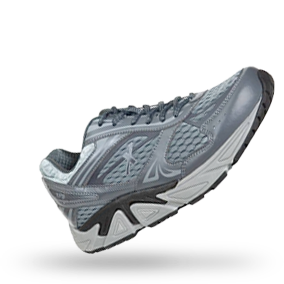
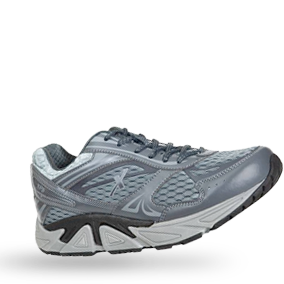
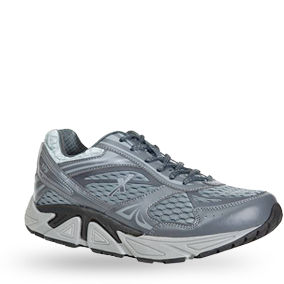
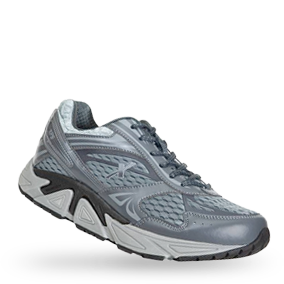
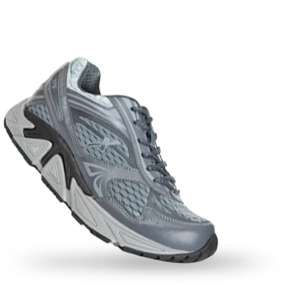
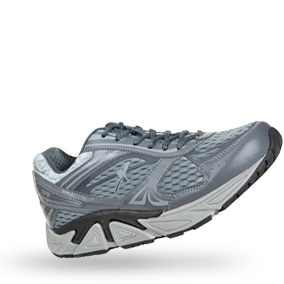
A long walk should leave you pleasantly tired, not thinking about your arches, knees, or lower back. If walking tends to come with foot fatigue, ankle wobble, or soreness that builds as the day goes on, it is fair to ask: do you need stability shoes for walking?
Sometimes the answer is yes. But not everyone needs the same level of support, and more structure is not automatically better. The right walking shoe depends on how your foot moves, where you feel discomfort, and how much control your gait needs through each step.
Do you need stability shoes for walking or not?
Stability shoes are designed to guide the foot through a more controlled motion pattern. In practical terms, that usually means helping limit excessive inward rolling, improving alignment, and creating a steadier platform from heel strike to toe-off.
For walking, that can make a meaningful difference. Walking is lower impact than running, but it is repetitive. When your foot collapses too far inward, your ankle feels unstable, or your stride lacks control, that repetition can add stress over time. The result may show up in your feet, but it can also travel upward into the knees, hips, and lower back.
If your gait is already efficient and your joints feel good in neutral shoes, you may not need stability features. If you regularly deal with fatigue, imbalance, or pain during everyday walking, a more supportive shoe can be a smart solution rather than an unnecessary extra.
What stability shoes actually do for walkers
A good stability shoe is not just a stiff shoe. It is built to support alignment while still allowing natural forward motion. That balance matters. Walking shoes should feel secure and guided, not restrictive.
Depending on the design, stability shoes may include firmer midsole support, a more structured heel counter, a wider base, or motion-control elements that reduce excess side-to-side movement. These features work together to keep the foot centered and supported during the gait cycle.
For walkers, the benefit is often less about performance and more about reducing strain. When the foot lands more consistently and rolls forward with better control, there is often less stress on overworked tissues. That can mean less arch fatigue, fewer aches around the ankle, and better comfort over longer distances or long hours on your feet.
Signs you may need stability shoes for walking
The clearest clue is not a label on a shoe box. It is how your body feels when you walk.
If the inside edge of your shoes wears down faster than the outside, that may suggest your foot rolls inward more than it should. If your arches feel tired halfway through the day, or your ankles seem to drift inward when you stand, that may point to a need for more support. Some people also notice that they feel less steady on uneven ground or when turning corners, especially if they have a history of foot or joint discomfort.
Pain patterns matter too. Walking-related soreness in the arch, heel, ball of the foot, shin, knee, hip, or lower back can sometimes be traced back to poor alignment and lack of stability underfoot. That does not mean a stability shoe is always the fix, but it is often part of the answer.
You may also benefit from stability walking shoes if you have flat feet, flexible arches, mild to moderate overpronation, or a history of plantar fasciitis, posterior tibial tendon strain, or recurring joint discomfort. Older adults and anyone recovering from pain episodes often appreciate the added sense of control as well.
When stability shoes might not be necessary
Not every walker needs corrective support. If your foot stays relatively neutral, you feel balanced through each step, and you are not dealing with pain or unusual fatigue, a neutral walking shoe may be enough.
Some people also assume that any supportive shoe must be better for long-term comfort. That is not always true. A shoe with too much structure for your gait can feel overly controlling or awkward. Instead of helping, it may create pressure in the wrong places or make your stride feel less natural.
This is why the best question is not whether stability shoes are good in general. It is whether they are right for your mechanics. Support should solve a problem, not create one.
Stability vs motion control for walking
The terms are often used together, but they are not identical.
Stability shoes are generally intended for people who need moderate support and better alignment. They help manage excess motion without feeling overly rigid. Motion-control shoes go further. They are usually built for walkers who need maximum control due to significant overpronation, severe flat feet, or chronic instability.
If you are deciding between the two, think about degree. Mild to moderate issues often respond well to stability features. More pronounced alignment problems, especially when paired with pain or a history of injury, may call for stronger motion-control design.
That distinction matters because walking comfort depends on matching support to need. Too little support may leave you feeling unstable. Too much can make the shoe feel heavy or restrictive.
How to tell if your current walking shoes are part of the problem
Your current pair may already be giving you useful information. If you feel better at the start of a walk but worse as distance increases, your shoes may not be providing enough guidance as your muscles fatigue. If your heel slips, your arch feels unsupported, or your foot seems to roll over the edge of the midsole, the platform may be too soft or too unstructured for your stride.
Take a look at wear patterns, too. Shoes that lean inward, compress heavily along the inside, or look twisted after months of use can suggest that your gait is overpowering the support the shoe provides.
Comfort is still the first filter. A stability shoe should feel secure from the start, especially through the heel and midfoot. It should not require a break-in period to become tolerable. If it feels unstable in the store, it is unlikely to improve on a longer walk.
What to look for in a walking stability shoe
The best walking stability shoes combine control with cushioning and smooth transition. A shoe that only feels firm is missing the point. You want support that works with your stride, not against it.
Look for a stable base, a well-contained heel, and a midfoot that feels held rather than squeezed. Underfoot cushioning should absorb impact without collapsing. Flexibility should happen where your foot naturally bends, not through the entire shoe. A rocker or forward-motion design can also help guide the step and reduce strain, especially if you deal with joint discomfort.
Fit matters just as much as technology. Even the most supportive shoe will underperform if it is too narrow, too loose, or too short. Your toes should have room to spread, while the heel and midfoot stay secure. For many walkers, that combination of space and control is what creates lasting comfort.
Brands that focus on biomechanical support, including Xelero, often build walking shoes around this exact goal: improving alignment while reducing impact stress and promoting smoother forward movement.
The trade-off: support helps, but only when it matches your gait
There is a reason walking shoe advice can feel inconsistent. One person swears by stability shoes, while another feels better in something simpler. Both can be right.
Feet are not identical, and neither are walking patterns. Body weight, mobility, past injuries, surface conditions, and daily walking volume all influence what feels best. Someone walking a few neighborhood blocks has different support demands than someone working on hard floors all day or trying to stay active with chronic foot pain.
This is also why buying based on trend rarely works. Walking comfort is less about what is popular and more about what keeps your body aligned and supported over time.
So, do you need stability shoes for walking?
If walking leaves you with recurring foot fatigue, inward ankle roll, uneven wear patterns, or pain that seems linked to poor support, stability shoes are worth serious consideration. They can help guide your stride, reduce excess motion, and make everyday walking feel more controlled and comfortable.
If your gait is neutral and you already feel stable, you may not need them. The goal is not to force every walker into one category. It is to choose a shoe that respects how your body moves and supports it accordingly.
The best walking shoe should help you move with less strain and more confidence. If better stability gives you that, it is not an upgrade for its own sake. It is a practical step toward walking farther, feeling better, and staying active on your terms.