Foot pain is easy to brush off at first. Maybe your heels ache at the end of the day. Maybe the balls of your feet feel sore after standing too long. Maybe your arches feel strained, but only once in a while. It is common to assume those issues are just part of getting older, working on your feet, or being more active than usual.
But in many cases, your shoes may be part of the problem.
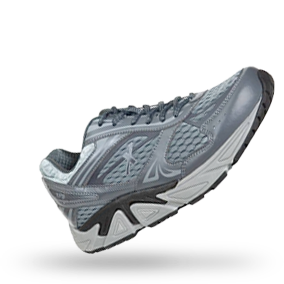
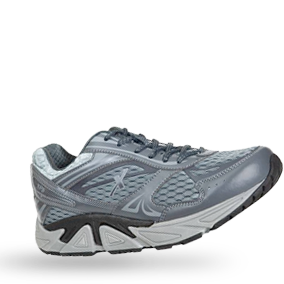
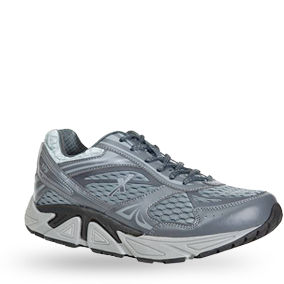
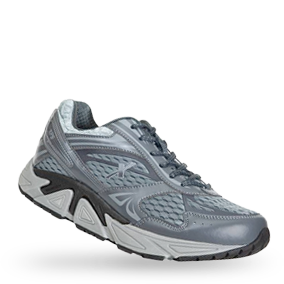
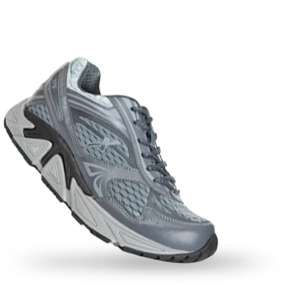
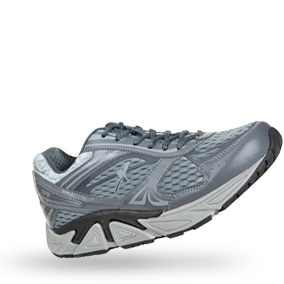
Footwear that lacks structure, support, and stability can place extra stress on the feet with every step. Over time, that repeated strain may contribute to common pain issues that make daily walking less comfortable than it should be. Supportive shoes cannot solve every foot problem, but they can help reduce the type of stress that often makes pain worse. Xelero shoes are designed to keep the foot in alignment throughout the gait cycle while reducing stress on the foot and the joints above it.
Your feet do a lot of work. They absorb impact, help distribute weight, and keep you balanced while you move. If your shoes are too flat, too soft, too flexible, or too unstable, the foot may have to work harder to do that job.
That can lead to:
When that happens repeatedly, discomfort can start to build. A shoe may feel fine for a few minutes, but if it does not provide the structure your foot needs, the effects often show up later.
Heel Pain
One of the most common complaints tied to poor footwear is heel pain. This can show up as soreness, tenderness, or sharp discomfort under or around the heel. Shoes with poor heel support, worn-out cushioning, or little shock absorption may increase the stress placed on that area.
For many people, the first few steps in the morning or after sitting for a while feel the worst. Others notice that heel discomfort gets worse after long periods of standing or walking. A more supportive shoe with stable cushioning and a secure heel can help reduce some of that repeated pressure.
Arch Pain
If your shoes do not offer enough support through the middle of the foot, your arches may end up doing more work than they should. That can lead to strain, fatigue, and soreness, especially for people with flat feet, high arches, or gait issues.
Common signs of arch-related discomfort include:
Supportive footwear can help by giving the arch a more stable base and limiting excess motion that may add stress over time.
Plantar Fasciitis-Related Pain
Plantar fasciitis is one of the most recognized causes of foot pain, especially near the heel. The plantar fascia supports the arch and helps manage stress during walking. When that tissue becomes irritated, even basic movement can become frustrating.
Shoes may not be the only cause, but unsupportive footwear can make the problem worse. Flat shoes, overly flexible soles, and poor arch support can all increase strain on the plantar fascia. That is why people dealing with plantar fasciitis are often encouraged to look for shoes with arch support, heel stability, and cushioning that still feels controlled rather than overly soft.
Forefoot Pain and Pressure
Not all pain starts at the heel. Many people deal with soreness in the ball of the foot, often described as burning, aching, or pressure under the forefoot. This type of discomfort may be aggravated by poor weight distribution or shoes that do not do enough to off-load bottom pressure.
That is one reason shoe structure matters. Features like a supportive base, stable cushioning, and a design that helps guide movement more smoothly can all make a difference in how pressure is distributed across the foot.
Ankle Fatigue and Instability
If your shoes feel loose, wobbly, or overly flexible, your ankles may end up working overtime to stabilize you. Even if that does not result in sharp pain right away, it can create fatigue and discomfort, especially after long days on your feet.
A more supportive shoe may help by offering:
That added stability can help walking feel less taxing overall.
It may be time to take a closer look at your footwear if:
Shoes do not need to be completely worn out to work against you. Sometimes the issue is simply that they are not built to provide the support your feet need.
When foot pain becomes part of your routine, it is worth asking whether your shoes are helping or hurting. Unsupportive footwear can contribute to heel pain, arch strain, plantar fasciitis-related discomfort, forefoot pressure, and general fatigue. A more stable, supportive shoe can help reduce the stress that builds up step after step.
For people looking for more support, Xelero shoes are designed with features like Motion Control Technology, an internal rocker for forward motion and rearfoot stability, and a control plate intended to off-load bottom pressure. The brand also says its shoes are designed to help keep the foot aligned throughout the gait cycle, which may help reduce stress on the foot, ankle, knee, hips, and lower back.