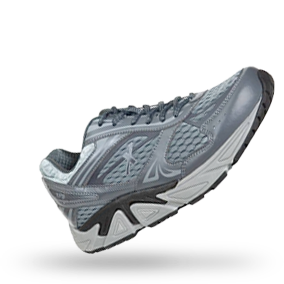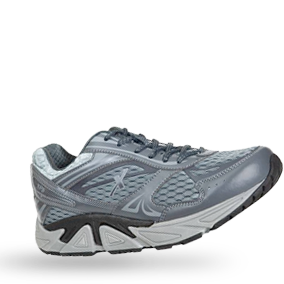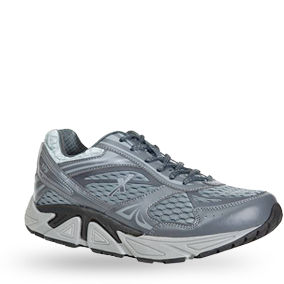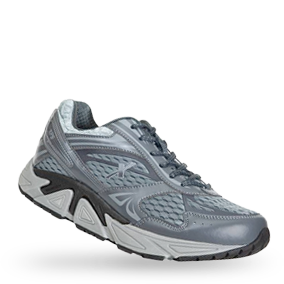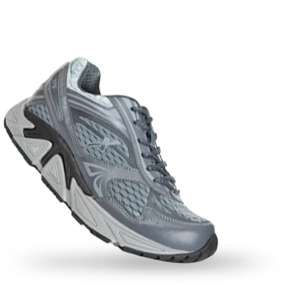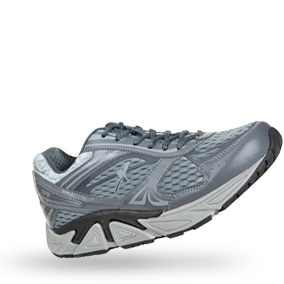
A shoe can feel soft in the store and still leave your knees, hips, or lower back feeling off by the end of the day. That is usually the point where comfort alone stops being enough. If you are looking for the best walking running shoes for stability, the real goal is not just cushioning. It is support that keeps your gait controlled, your stride aligned, and your body moving with less stress.
For many people, stability matters because every step adds up. A short walk around the block, an hour on your feet at work, or a light run after a long day all place repeated force on the same joints. When your foot rolls too far inward, your heel shifts, or your arch collapses under load, that force can travel upward. The right shoe will not fix every source of pain, but it can do a lot to reduce the mechanical strain that keeps aggravating it.
A true stability shoe does more than feel firm. It helps guide the foot through the gait cycle in a more controlled way. That usually starts with a secure heel base, a supportive midsole, and a shape that keeps the foot from drifting side to side.
For walking, this kind of support helps when your stride is repetitive and your foot stays in contact with the ground a little longer. For running, the demands are different because impact is higher and transitions happen faster. The best shoes that work for both walking and running stability need to balance these needs without becoming overly rigid or heavy.
That balance is where many shoppers get stuck. Some shoes feel stable because they are stiff, but they can also feel clunky during longer movement. Others feel lightweight and soft, but they do not provide enough structure to keep the foot aligned when fatigue sets in. A good stability design supports motion rather than fighting it.
There is a common assumption that more cushioning equals more comfort. Sometimes it does. But if the platform under your foot is too soft or unstable for your mechanics, that softness can make your body work harder to stay balanced.
This is especially relevant if you deal with plantar fasciitis, overpronation, tired arches, knee discomfort, or general foot fatigue. In these cases, a stable base often feels better over time than a shoe that compresses too much. You want impact protection, but you also want the foot to stay centered through heel strike, midstance, and toe-off.
That is why support and shock absorption need to work together. A shoe that absorbs impact but allows excessive inward roll may not give lasting relief. A shoe that controls motion but feels harsh underfoot may not be practical for daily wear. The right fit sits in the middle, with enough structure to guide movement and enough cushioning to keep repeated impact manageable.
The first feature to pay attention to is the platform. A broader base, especially in the heel and midfoot, tends to create a more grounded feel. This helps reduce wobble and gives the foot a steadier landing.
The second is midsole design. Stability often comes from how the midsole is shaped and reinforced. Some shoes use firmer support along the medial side, while others rely on geometry that naturally guides forward motion. Either approach can work, but the result should feel controlled rather than corrective in an uncomfortable way.
Heel construction also matters. A secure heel counter helps hold the rearfoot in place and reduces the kind of movement that can lead to misalignment through the rest of the stride. If the heel feels loose, the shoe may not provide the level of support you need, even if the arch feels good at first.
Underfoot support is another major factor. Shoes built for stability should not let the midfoot collapse under pressure. That does not mean every person needs a high arch shape. It means the shoe should help maintain more consistent positioning through repeated steps.
Finally, pay attention to rocker or forward-motion design. This can be especially helpful for walkers and runners who want smoother transitions and less strain during push-off. When the foot rolls forward efficiently, it can reduce stress on the joints and lower the effort required for each step.
Not every stability shoe works for every body. Some people need mild support for long days on hard surfaces. Others need stronger motion control because they overpronate significantly or are managing chronic discomfort.
If you mostly walk, prioritize a shoe that feels stable during slower, repetitive movement. Walking shoes should feel dependable from heel to toe, not overly springy or unstable. A predictable ride often matters more than speed-focused features.
If you also run, even casually, the shoe needs to handle greater impact without losing control. That usually means looking for a supportive midsole that does not bottom out, plus enough flexibility to move naturally at a quicker pace.
If you split time between walking and running, versatility becomes important. The best option is often a shoe that blends motion control with responsive cushioning and a smooth forward roll. This kind of all-around support tends to work well for people who want one dependable pair instead of separate shoes for every activity.
Even the most supportive shoe will underperform if the fit is wrong. Stability starts with how the foot sits inside the shoe. If your heel lifts, your toes are cramped, or your midfoot slides, the structural features of the shoe cannot do their job as well.
Look for a heel that feels secure without rubbing. The forefoot should give your toes enough room to spread naturally, especially if you walk long distances or your feet swell during the day. Through the midfoot, the fit should feel held but not squeezed.
A common mistake is sizing up for width when what you really need is a shoe available in multiple widths. Too much extra length can shift where the arch and flex point hit your foot, which may reduce support instead of improving it. Proper width options are often just as important as cushioning or outsole grip.
There is a difference between stability and full motion control. Stability shoes are generally designed to guide the foot and reduce excess movement. Motion-control shoes go further, with more substantial structure for people who need stronger correction and support.
If your shoes wear down quickly on the inside edge, if you feel unstable during long walks, or if your discomfort returns no matter how soft the shoe feels, motion-control features may be worth considering. This is often true for people with flatter arches, more pronounced overpronation, or a history of foot and joint pain that flares with activity.
For those users, a more engineered support system can make a noticeable difference. Brands that focus on alignment, heel stability, and forward motion rather than just soft comfort tend to be better suited to these needs. That is where a performance-oriented support brand like Xelero fits naturally.
You do not need a gait lab to notice common warning signs. If your ankles feel like they roll inward, if your knees drift during longer walks, or if your lower back feels more fatigued after activity, your shoes may not be controlling motion well enough.
You might also notice uneven outsole wear, collapsing foam around the heel, or a footbed that feels flat and tired long before the rest of the upper looks worn out. Sometimes the issue is not age alone. It is that the shoe was never built for the level of support your body needs.
Another sign is delayed fatigue. Many people feel fine for the first twenty minutes, then gradually lose comfort as their mechanics break down. That pattern often points to a support problem rather than a cushioning problem.
The best stability shoe is the one that matches your mechanics, your activity level, and the type of relief you are looking for. If your goal is daily comfort, focus on consistent support and fit. If your goal is staying active without aggravating pain, pay closer attention to alignment, heel control, and how the shoe guides you forward.
A good shoe should help you feel more stable at the end of your walk or run than you did at the beginning. That is the standard worth using. When footwear supports your gait instead of simply softening it, staying active becomes more comfortable, more reliable, and easier to keep doing.