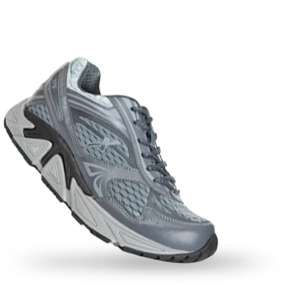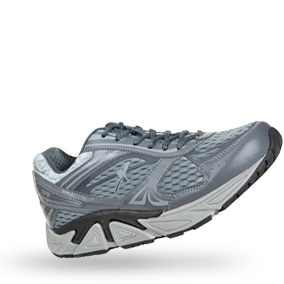
A sandal can feel great for the first ten minutes of a walk, then turn into a problem by the end of the block. If you are searching for the best supportive sandals for walking, the real question is not which pair looks the most comfortable. It is which design helps your body stay aligned, absorbs repeated impact, and keeps your foot stable as you move.
That matters more than many people realize. Walking places a steady, repetitive load on the feet, ankles, knees, hips, and lower back. In a shoe, that load is managed by structure around the heel, midfoot, and forefoot. In a sandal, you have less material doing that job, so every support feature has to work harder. A good walking sandal should feel easy, but the engineering behind it should be doing a lot.
Support starts with stability. Many sandals feel soft underfoot, but softness alone is not support. If the platform compresses too easily or the foot slides over the footbed, your body has to work harder to control motion with every step. Over time, that can contribute to foot fatigue and can aggravate discomfort in the plantar fascia, knees, hips, or lower back.
A supportive walking sandal usually has a contoured footbed, a secure heel area, and a sole that guides motion instead of allowing the foot to roll too freely. Arch support plays a role, but it should be part of a balanced design. Too little support can leave the foot unstable. Too much, or the wrong shape, can feel intrusive and create pressure in the wrong place.
The best options also manage shock well. Walking may be lower impact than running, but the repetition adds up quickly. Cushioning should soften the landing without becoming unstable. That trade-off matters, especially for people who spend long hours on their feet or notice discomfort after walking on pavement.
Flat sandals are popular because they are easy to slip on and feel light. For short wear, they may be fine. For longer walks, they often miss the features that help control gait.
A completely flat sandal tends to offer minimal arch support and little heel containment. That can let the foot collapse inward too much or move around on the footbed. If you already deal with overpronation, heel pain, forefoot pressure, or joint discomfort, that extra motion can become noticeable quickly.
Thin soles can also increase pressure under the heel and ball of the foot. Some people like more ground feel, but for walking distance, especially on hard surfaces, a sandal usually benefits from more substantial underfoot protection.
When evaluating supportive sandals for walking, it helps to look beyond the upper straps and focus on the entire platform.
The outsole and midsole should create a stable foundation. A wider base can improve balance and reduce the feeling of wobbling side to side. This is especially helpful for older adults, people recovering from foot strain, or anyone who feels less steady in open footwear.
Arch support should meet the foot naturally rather than forcing it into a position that feels unnatural. The goal is not to prop the arch up aggressively. The goal is to support load distribution and reduce strain as the foot moves through the gait cycle.
A back strap or well-designed heel area makes a significant difference for walking. Slides may feel convenient, but they often require the toes to grip in order to keep the sandal on. That can increase fatigue and alter the way you walk. A more secure rearfoot fit usually leads to smoother, more efficient motion.
Soft foam can feel appealing in the store. On a longer walk, overly soft cushioning may allow too much motion, especially if the material compresses unevenly. Better walking sandals balance impact absorption with support so the foot feels protected without sinking.
A walking sandal should bend where your foot naturally bends, usually near the forefoot. If it twists too easily through the middle, it may not provide enough support. If it is too stiff throughout, it can feel awkward and interfere with natural motion.
Support needs change depending on what your body is dealing with. A sandal that works well for one person may not work for another, even if both are looking for comfort.
If you have plantar fasciitis or heel pain, focus on a sandal with structured arch support, heel cushioning, and a stable heel platform. Minimal sandals usually do not provide enough protection during longer walks. If knee, hip, or lower-back discomfort is part of the picture, alignment and motion control become even more important. Excessive inward rolling at the foot can travel up the chain and increase stress on other joints.
If your feet swell throughout the day, adjustability matters. Multiple straps can help accommodate changes in volume without creating pressure points. If you have forefoot sensitivity, look for a roomy toe area and cushioning that protects the ball of the foot without feeling unstable.
People with balance concerns should pay close attention to the sole shape and ground contact. A sandal with a secure fit and stable platform is generally a better choice than one with a narrow, highly curved sole or loose upper.
Even the best supportive design can fail if the fit is off. In sandals, small fit issues show up fast because there is less upper material to compensate.
Your heel should sit securely on the footbed without hanging over. The arch support should line up with your foot rather than landing too far forward or too far back. The forefoot should have enough room to spread naturally, especially as your feet warm up during walking.
Pay attention to strap placement. Straps should hold the foot in place, not dig into the skin or force the toes to claw for stability. If you feel like you are working to keep the sandal on, it is probably not the right walking option.
It also helps to test sandals later in the day, when feet are slightly more swollen. That often gives a more realistic sense of all-day comfort.
Supportive sandals can be excellent for warm weather, travel, casual daily wear, and moderate walking. They are especially useful for people who want more breathability without giving up structure underfoot.
Still, there are situations where a walking shoe may be the better tool. If you are walking long distances on uneven terrain, carrying extra load, or need maximum motion control, a more enclosed shoe often provides better containment and protection. That is not a drawback of sandals so much as a reminder that the right footwear depends on the job.
For many people, the best approach is seasonal and situational. A supportive sandal can cover everyday walking in warm conditions, while a motion-control walking shoe handles longer mileage or more demanding surfaces.
Not every comfortable sandal is built for walking. Some are designed mainly for casual wear, with soft footbeds and flexible uppers that feel pleasant but do not offer much guidance through the gait cycle.
A performance-minded walking sandal is different. It is designed to promote smoother forward motion, reduce unnecessary foot movement, and maintain comfort over repeated steps. That distinction matters if your goal is not just to feel good standing still, but to stay comfortable after a full day of movement.
Brands that focus on biomechanical support tend to understand this difference better. Rather than treating comfort as softness alone, they build around stability, alignment, and impact control. That is the area where a support-focused brand like Xelero stands apart in the broader comfort category.
The best supportive sandals for walking are the ones that match your gait, your comfort needs, and the surfaces you actually walk on. Start with the basics: secure fit, stable base, structured support, and cushioning that protects without sacrificing control.
Then be honest about your body. If you have recurring foot pain, joint stress, or noticeable fatigue after walking, do not assume any cushioned sandal will solve it. The right pair should help your stride feel more stable and less effortful, not simply softer.
A good walking sandal should disappear in the best way. You should notice the walk, not the strain. When support is doing its job, staying active feels more possible, and that is the whole point.