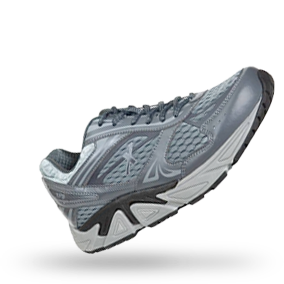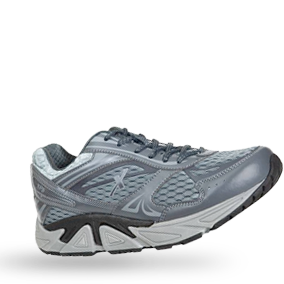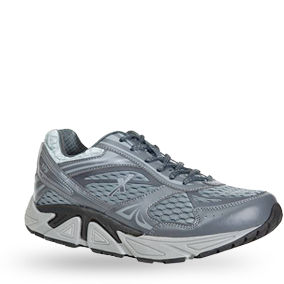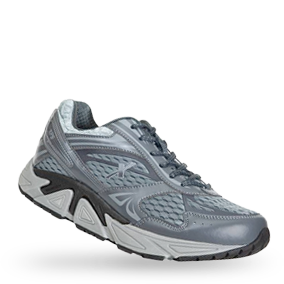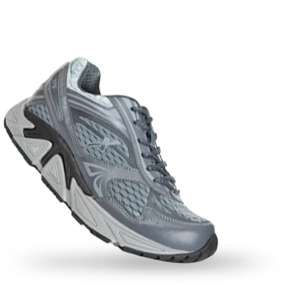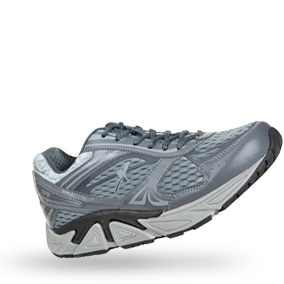
A lot of people blame their back when the real problem starts at ground level. If you are searching for shoes for lower back pain walking, what you wear on your feet can change how force moves through your ankles, knees, hips, and lumbar spine with every step.
Walking should help you stay active, not leave you stiff and sore by the end of the day. But lower back discomfort often gets worse when footwear lets the foot roll too far, lacks cushioning in the wrong places, or fails to keep your body aligned through the gait cycle. The right shoe cannot treat every cause of back pain, but it can reduce stress that poor mechanics add to the problem.
Your body works as a chain. When the foot lands poorly or collapses inward, the joints above it have to compensate. That can change stride length, pelvic position, and the way your lower back absorbs impact.
This is why footwear matters more than many people expect. A flat, unsupportive shoe may feel soft at first, yet still allow instability that increases fatigue over time. On the other hand, a well-structured walking shoe can promote a smoother heel-to-toe transition, improve control, and reduce repetitive strain.
For some walkers, the issue is overpronation. For others, it is not enough shock absorption or a midsole that breaks down too quickly. If you spend long hours on your feet, small mechanical problems repeat thousands of times in a day. That repetition is often what turns mild discomfort into persistent pain.
The best choice usually starts with stability. A stable walking shoe helps keep the foot from moving excessively side to side or rolling inward too much after heel strike. That support can help maintain better alignment all the way up the leg.
Cushioning also matters, but more is not always better. Very soft shoes can feel comfortable in the first few minutes and then become less supportive as the foot sinks into the platform. For lower back pain, the goal is controlled cushioning – enough to absorb impact, but firm enough to keep your gait efficient and balanced.
A supportive midsole is one of the most valuable features. It should resist collapse, especially in the arch and heel, and continue to perform after many miles of wear. A strong heel counter can also help by securing the rearfoot and limiting unwanted motion.
Rocker geometry or forward-motion design can be especially helpful for some walkers. This type of construction encourages smoother transitions from heel strike to toe-off, which may reduce stress on the joints and lower the effort required to move through each step. If you deal with stiffness, fatigue, or pain that builds during longer walks, this design can make a meaningful difference.
Fit is just as important as the shoe’s engineering. Even a highly supportive shoe can create problems if it is too narrow, too loose in the heel, or too short in the toe box. A poor fit may change how you walk to avoid pressure, and that compensation can travel upward into the hips and back.
When people compare shoes, they often focus on comfort in the first few steps. That is understandable, but it is not enough. For lower back pain, long-term support is usually more important than a soft first impression.
Look closely at heel stability, arch support, and overall platform width. A wider, more grounded base often helps walkers feel more secure and controlled. That can be especially useful for older adults, people recovering from flare-ups, or anyone who feels unsteady in flexible athletic shoes.
Shock absorption is another key factor, particularly if you walk on concrete, tile, or asphalt. Hard surfaces increase repetitive impact, and poor footwear can let that force travel upward. Good walking shoes help disperse that stress before it reaches the knees, hips, and lower back.
Outsole grip should not be overlooked. If the shoe slips or feels inconsistent underfoot, your body may tighten and adjust in subtle ways. Better traction supports a more confident stride, which often means less guarded movement and less tension through the back.
It is easy to assume that a plush shoe is automatically the best option for pain relief. Sometimes that works, but sometimes it backfires. If the cushioning is too soft or unstable, the foot can move more than it should, forcing the body to work harder to stay aligned.
That is why many people with lower back pain do better in shoes that combine cushioning with motion control. The right balance helps absorb impact without giving up the structural support needed for consistent walking mechanics.
This is also why worn-out shoes can quietly contribute to back pain. Even if they still look usable, the midsole may have compressed and lost its ability to guide and protect the foot. If your back feels worse at the end of walks than it did a few months ago, your shoes may be part of the reason.
There is no single answer that works for everyone. The best shoes for lower back pain walking depend on how you move, where you walk, and what kind of discomfort you are trying to reduce.
If your feet roll inward, a more supportive or motion-control design may help keep your gait centered. If you are sensitive to impact on hard surfaces, you may need more shock absorption under the heel and forefoot. If standing all day is part of your routine, look for a shoe that stays stable and supportive long after the first hour.
People with flat feet often benefit from a shoe that adds structure and control. Those with higher arches may need cushioning that helps distribute pressure more evenly. If you also deal with knee or hip discomfort, that is another reason to prioritize alignment and smoother transitions rather than chasing softness alone.
A removable insole can be useful if you wear custom orthotics or need extra depth. In those cases, the shoe should still provide a stable foundation rather than relying entirely on the insert to do the work.
Sometimes the warning signs are obvious. You feel more pain after a walk, your heels ache, or your posture changes as the day goes on. Other times, the clues are subtle.
If the outer edge or inside edge of the sole wears down quickly, your gait may be uneven. If the heel leans to one side when the shoe sits on the floor, the structure may already be breaking down. If your back feels better in one pair and worse in another, that comparison is worth paying attention to.
You may also notice fatigue in the arches, tight calves, or soreness in the hips. These are not always separate problems. They can be part of the same chain reaction caused by poor support and inefficient walking mechanics.
The benefit of a better walking shoe is often cumulative. You may notice immediate comfort, but the bigger advantage usually comes after days and weeks of more controlled movement. Less strain per step can mean less fatigue, fewer compensation patterns, and better tolerance for time on your feet.
For people who want to stay active, that matters. The goal is not simply to feel better while wearing the shoe. The goal is to walk with more confidence, protect your joints, and support a stride that does not keep feeding the same pain cycle.
This is where performance-focused comfort footwear stands apart from generic casual options. Brands like Xelero are built around alignment, motion control, and forward movement because relief often depends on more than cushioning alone. The best walking shoes for lower back discomfort help the entire body move more efficiently.
If your lower back hurts after a walk, do not assume that discomfort is just part of getting older or staying active. Footwear can either increase stress on your body or help manage it. Choosing shoes with stability, controlled cushioning, impact protection, and a smoother gait pattern can make everyday walking feel more supportive again.
The right pair should help you move with less effort, not ask your back to absorb what your shoes fail to manage.