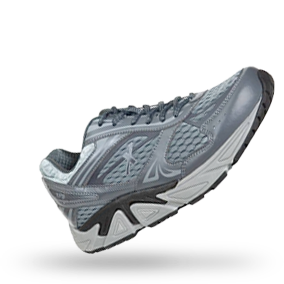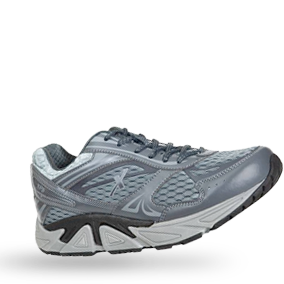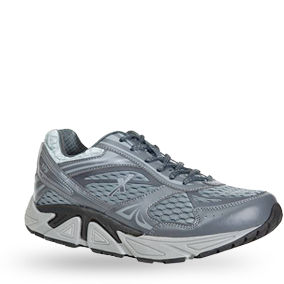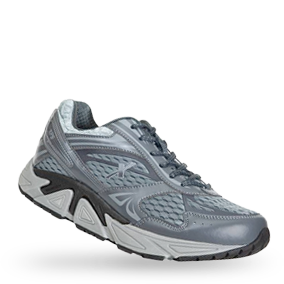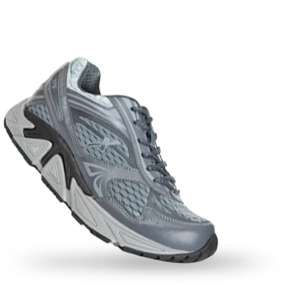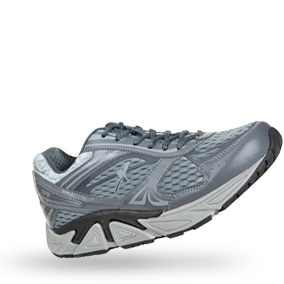
A walk that should feel routine can start to feel calculated when your knees are involved. If you are searching for the best shoes for knee pain walking, the right place to start is not color, brand hype, or extra-soft foam. It is how the shoe affects alignment, impact, and stability from the moment your heel touches the ground to the moment you push off.
Knee pain during walking is rarely just a knee problem. In many cases, the stress starts lower – with the way your foot rolls, how stable your heel is, and whether your shoe helps guide motion or lets it drift. That is why footwear can make a meaningful difference. A well-engineered walking shoe will not treat an underlying medical condition, but it can reduce the forces that aggravate sensitive joints and help you move with more confidence.
The best walking shoes for painful knees usually have one thing in common: they help control excess motion without feeling harsh or restrictive. That balance matters. A shoe that is too soft can let the foot collapse and rotate more than it should. A shoe that is too rigid in the wrong places can feel unforgiving and change your gait in ways that are not helpful.
For most walkers with knee discomfort, the goal is a stable platform, a secure heel, and cushioning that absorbs impact without becoming unstable. Good shoes also support a smoother transition through the gait cycle so your body is not fighting the shoe with every step.
If your current pair feels flat, uneven, or twisted out at the heel, it may be contributing more stress than you realize. Worn-down shoes often lose the support features that keep the foot aligned, and that can travel up the chain to the knees, hips, and lower back.
When you walk, your foot and ankle influence the position of your leg above them. If your foot rolls inward too much, often called overpronation, the lower leg can rotate in a way that increases strain around the knee. If your foot is not well supported side to side, the knee may have to absorb more instability than it should.
This is why two people with similar knee symptoms may need different shoes. One person may need more motion control because their gait is unstable. Another may need a more accommodating fit with moderate cushioning because joint sensitivity is the main issue. The best choice depends on whether the shoe helps you maintain better alignment and reduces repetitive impact while walking.
Plush cushioning can feel good in the first few steps, but softness is not the same as support. For knee pain, overly compressible midsoles can sometimes allow too much movement, especially if you already have a tendency to roll inward or feel unsteady.
A more effective setup is often a cushioned shoe with structure. That means a stable base underfoot, controlled compression, and a heel counter that helps hold the rearfoot in place. When the foot lands more evenly, the knee often has less rotational stress to manage.
A smooth forward roll through the step can also help. Shoes designed to promote forward motion may reduce the effort needed to move through each stride, especially for walkers who feel stiff or fatigued. This does not mean an aggressive rocker is right for everyone, but many people with knee discomfort benefit from footwear that encourages a more efficient gait rather than a choppy, stop-and-start motion.
The most useful features are the ones that improve function over time, not just comfort in the fitting room. A supportive walking shoe should feel dependable after an hour on your feet, not just soft for thirty seconds.
Start with the base of the shoe. A broad, stable outsole helps reduce wobble and gives your foot a more secure platform. Look for a firm heel counter as well. If the heel area collapses easily when you press on it, it may not provide enough rearfoot control for someone dealing with knee stress.
Midsole construction matters too. You want cushioning that absorbs shock but still keeps the foot centered. Shoes with motion-control or stability elements are often a better match for walkers who need more guidance through the gait cycle. This is especially true if you notice uneven wear on the inside edge of your old shoes or if your knees bother you more the longer you walk.
Fit is just as important as structure. If the toe box is too tight, you may change the way you step to avoid pressure. If the shoe is too loose in the heel, you may grip with your foot or move inefficiently. A secure midfoot and heel, with enough room in the forefoot, is usually the right combination.
There is no single shoe that works for every type of knee pain, but there are clear patterns in what tends to help.
If your knee pain comes with flat feet or noticeable overpronation, a shoe with stronger motion control is often the better choice. This kind of design helps limit excessive inward rolling and supports better lower-leg alignment. It can feel more corrective than a neutral cushioned shoe, which is often exactly what some walkers need.
If your knees feel sensitive to impact, especially on pavement or during longer walks, look for cushioning that softens landing without becoming unstable. The key is controlled shock absorption. You want the shoe to dampen force, not let your foot sink and wander.
If balance is part of the issue, prioritize a stable, grounded ride over a highly curved or narrow shoe. Some athletic shoes are built to feel fast or springy, but that can work against you if your knees do better with predictable support.
For walkers who deal with multiple pain points – knees, hips, lower back, or foot fatigue – a biomechanically supportive walking shoe can offer broader relief by improving alignment from the ground up. That is where performance comfort footwear stands apart from standard casual sneakers.
Minimal support is usually a poor tradeoff for knee pain. Very flexible shoes, thin soles, or fashion sneakers with little structure may feel light, but they often ask the body to do too much of the stabilizing work. That can increase strain over time.
Be cautious with shoes that are extremely soft, especially if they also have a narrow base. They may feel comfortable at first, yet create instability through the foot and ankle. For some people, that instability shows up as knee soreness later in the day rather than during the walk itself.
It is also worth avoiding old favorites that are simply worn out. Even a well-designed walking shoe has a lifespan. Once the midsole breaks down or the outsole wears unevenly, the support profile changes. If one shoe leans inward more than the other, your knees may notice before you do.
The right shoe usually does not announce itself with dramatic cushioning or a flashy feel. It tends to feel steady, smooth, and reliable. Your knees may not be pain-free immediately, but the walk should feel less irritating, and you should notice less fatigue or joint stress as time goes on.
Pay attention to what happens after the walk as much as during it. If your knees ache less later in the day, if stairs feel a bit easier, or if you are not shifting your weight to compensate, those are useful signs. A good walking shoe supports repeatable movement. It should help you stay active without making recovery harder.
If a new pair feels unstable, forces your foot into an awkward position, or causes new discomfort in the hips or back, it may not be the right match. Sometimes the issue is not quality but fit or support level.
For chronic knee discomfort, recurring alignment issues, or pain that worsens with ordinary walking, general athletic shoes may not offer enough structure. This is where specialized comfort-performance footwear can be valuable. Shoes designed around motion control, alignment support, and forward movement are built for functional outcomes, not just a soft step.
Brands such as Xelero focus on this kind of biomechanical support, which can be especially helpful for walkers who need more than standard cushioning. The advantage is not just comfort. It is better control of motion through the gait cycle, which can reduce the kind of repetitive stress that keeps knees irritated.
That said, the best shoe is still the one that matches your body and your walking pattern. More control is not automatically better for every person. The right level of support should make walking feel more natural, not forced.
Knee pain changes the way people move, often gradually and without much warning. The right walking shoe can help interrupt that pattern by improving stability, reducing impact, and supporting better alignment with each step. If you are choosing between softness and support, support usually carries more value over the long term.
Look for shoes that help your body move forward with less strain, not shoes that simply feel comfortable sitting in the box. When your footwear works with your gait instead of against it, walking can start to feel less like something to manage and more like something you can keep doing.