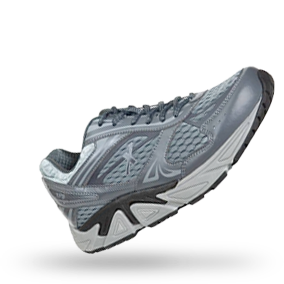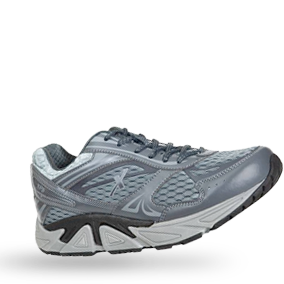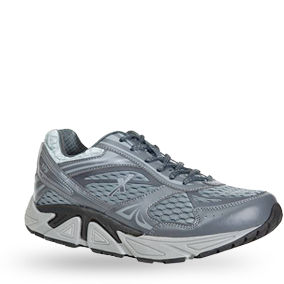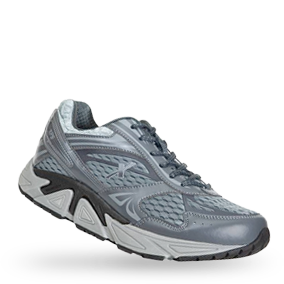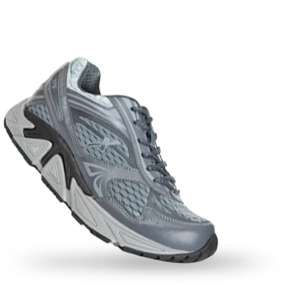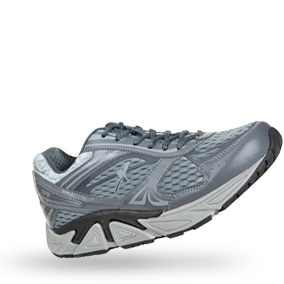
By hour three, most shoes still feel fine. By hour eight, the truth shows up in your feet, knees, hips, and lower back. That is why finding the best shoes for all day standing is less about soft step-in comfort and more about how well a shoe supports alignment, manages pressure, and stays stable after hours of wear.
If you spend long days on hard floors, the wrong shoe can quietly increase fatigue with every step and every minute standing still. A shoe that feels plush in the store may flatten out too quickly or let your foot roll in ways that add stress up the chain. The better choice is usually the one that balances cushioning with structure, so your body is not working harder than it needs to.
Standing all day puts different demands on footwear than short walks or workouts. You are not just asking a shoe to absorb impact. You are asking it to support your foot through repeated loading, reduce pressure points, limit excess motion, and keep you feeling steady on tired legs.
That usually starts with a stable platform. When the base of the shoe is too soft or too flexible, your foot can move more than it should, especially as muscles fatigue. That may not sound serious at first, but over a full shift it can contribute to arch strain, heel pain, forefoot soreness, and even discomfort in the knees or lower back.
The best shoes for all day standing also help distribute force more evenly. Good cushioning matters, but cushioning alone is not the answer. If it is too soft, it can create a sinking feeling that reduces control. If it is too firm, pressure can build under the heel or ball of the foot. The right setup feels protective without feeling unstable.
A common mistake is choosing the softest shoe on the shelf. Soft foam can feel impressive for a few minutes, especially if your feet are already tired. But all-day standing often rewards shoes with more structure and guidance.
Look for a shoe with dependable arch support, a secure heel, and enough torsional stability that it does not twist too easily through the middle. These features help keep the foot aligned and reduce the small inefficient movements that can add up over a long day. People with overpronation, flat feet, or a history of plantar fasciitis often notice this difference quickly.
Motion-control and stability features can be especially helpful when pain is part of the equation. A more supportive design can reduce strain on the plantar fascia, limit inward rolling that stresses the ankle and knee, and help your gait feel smoother when you transition from standing to walking. For many people, relief starts not with extra softness but with better control.
Even the most supportive shoe will disappoint if the fit is off. Your feet naturally swell over the course of the day, so a shoe that feels barely roomy in the morning may feel tight by late afternoon. That is one reason all-day standing shoes should have enough depth and toe room to avoid rubbing, compression, and forefoot pressure.
The heel should feel secure without slipping. The midfoot should feel held, not squeezed. In the toe box, your toes should be able to spread naturally rather than being pushed together. A narrow front end can increase discomfort under the ball of the foot and may aggravate bunions, hammertoes, or nerve irritation.
It also helps to think about socks and orthotics before you buy. If you wear thicker work socks or custom inserts, the shoe needs to accommodate them without making the fit too tight. Extra depth can make a major difference here, especially for people who need both cushioning and a more precise supportive setup.
When evaluating shoes for long days on your feet, a few design details matter more than marketing language. First is the midsole. You want cushioning that resists packing down too quickly and still feels supportive late in the day. A resilient foam or layered cushioning system often performs better than something that feels marshmallow-soft at first touch.
Second is heel construction. A firm heel counter can improve stability and reduce wasted motion. That matters when fatigue sets in and your posture starts to change. Third is outsole grip and contact area. If you work on tile, concrete, or other unforgiving surfaces, a broad and grounded outsole can make the shoe feel more secure.
Rocker geometry can also help. A shoe designed to support forward motion may reduce strain during the gait cycle and make walking between long periods of standing feel easier. For people with joint discomfort, that smoother transition can be more important than they expect.
Finally, pay attention to flexibility. The forefoot should bend where your foot bends naturally, but the shoe should not fold in half with no resistance. Too much flexibility can mean too little support for extended standing.
There is no single best shoe for everyone because foot mechanics vary. If you have flat feet or overpronate, a stability or motion-control design will usually serve you better than a neutral shoe. If you have high arches, you may need more shock absorption and a shape that does not create concentrated pressure under the heel and forefoot.
If heel pain is your main issue, look for a shoe with dependable rearfoot stability, a supportive arch, and cushioning that protects without collapsing. If forefoot pain is the problem, toe box shape, underfoot pressure distribution, and rocker design become more important. If your knees or lower back hurt after standing, the issue may be less about one sore spot in the foot and more about how your footwear affects alignment across the whole chain.
This is where performance-oriented comfort footwear stands apart from style-first options. The goal is not just to feel softer. The goal is to help your body move and stand with less strain.
Many people rotate between athletic sneakers, casual slip-ons, and work shoes, assuming one of them should be good enough. Sometimes they are. But if you are consistently dealing with pain, fatigue, or instability, standard options may be missing the support your body needs.
A shoe built around biomechanical support can offer a more stable base, better alignment assistance, and a more controlled transition through each step. That can be meaningful if you are on hard surfaces all day, recovering from an injury, managing chronic discomfort, or simply noticing that your old shoes stop helping halfway through the day.
Brands that focus on motion control and recovery footwear, including Xelero, are designed with that use case in mind. The advantage is not cosmetic. It is functional support that continues working after the first hour of wear.
Sometimes the easiest way to identify the best shoes for all day standing is to look at what your current pair is doing wrong. If your arches ache by midday, your heels burn at the end of a shift, or your lower back feels more tired in certain shoes, your footwear may be contributing more than you realize.
Uneven outsole wear can point to poor motion control. Toe numbness can signal a fit problem. A shoe that feels great at first but noticeably worse after several weeks may simply be losing its structure too fast. And if you find yourself kicking your shoes off the second you sit down, that is useful feedback too.
Try shoes on later in the day when your feet are slightly swollen. Wear the socks you actually use. Spend enough time walking and standing in them to notice whether the heel feels secure and the forefoot feels free. If you use orthotics, test the shoes with them in place.
It is also worth being honest about your environment. Concrete floors, hospital hallways, retail shifts, warehouse work, and travel days all create slightly different demands. Some people need more cushioning. Others need more control. The best result usually comes from matching the shoe to both your body mechanics and your daily routine.
Price matters, but durability matters too. A cheaper shoe that loses support quickly can end up costing more in comfort and replacement frequency. When you are standing all day, consistent performance is part of the value.
The right pair should make the day feel more manageable, not just the first ten minutes. If your shoes help you stand straighter, move more smoothly, and finish with less fatigue, you are on the right track. That is what good support is supposed to do.