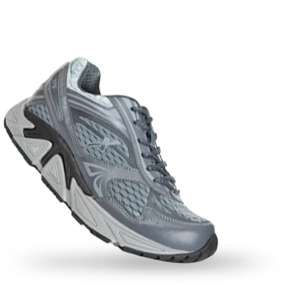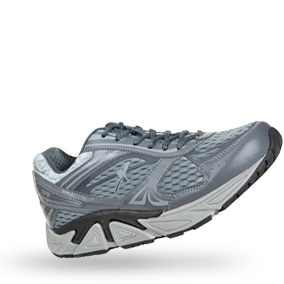
A rocky trail has a way of exposing every weak point in a shoe. If your foot rolls inward, your heel shifts on descents, or your knees and hips start talking halfway through the hike, the problem is often not endurance. It is support. The best hiking shoes for stability are built to keep your stride aligned, your footing secure, and your body working with less strain from the ground up.
For many hikers, stability is the difference between feeling strong at mile six and feeling beat up before the return trip. That matters even more if you deal with plantar fasciitis, overpronation, flat feet, ankle instability, or recurring discomfort in the knees, hips, or lower back. A stable hiking shoe cannot fix every biomechanical issue on its own, but it can reduce the small breakdowns in foot motion that add up over time.
Stability in a hiking shoe is not just about a stiff feel. It comes from how the whole shoe manages motion through the gait cycle. The outsole needs dependable traction, but grip alone is not enough. The midsole should resist excessive side-to-side collapse, the heel should sit securely, and the platform should feel planted rather than narrow or tippy.
A supportive hiking shoe usually has a firmer midsole than a highly cushioned trail runner. That firmer feel helps limit uncontrolled foot movement on uneven terrain. Many hikers initially assume softer always means more comfortable, but on rocky or sloped ground, too much softness can let the foot sink and wobble. For someone who needs alignment support, that can lead to fatigue faster, not slower.
The heel counter also plays a major role. A structured heel helps hold the rearfoot in position, which can improve control during descents and on off-camber surfaces. If the heel lifts too much or slides inside the shoe, your body often compensates higher up the chain, and that is where ankles, knees, and hips can start taking extra stress.
Then there is the shape of the base. A broad, stable platform creates more surface contact with the ground and can improve balance on loose dirt, gravel, roots, and rock. Shoes that feel secure underfoot often look less aggressive than technical trail models, but that planted geometry is exactly what many hikers need.
When comparing hiking shoes, it helps to focus less on labels and more on functional support. Motion control is one of the clearest signs that a shoe is designed for stability. In practical terms, that means the shoe helps guide the foot forward without allowing too much inward rolling or side-to-side drift.
Midsole density matters here. A dual-density or inherently supportive foam can help keep the foot aligned without feeling harsh. This is especially useful for hikers who overpronate or whose arches collapse under load. The goal is not to lock the foot rigidly in place. It is to reduce excess motion that wastes energy and increases strain.
Torsional rigidity is another key detail. If you twist the shoe and it folds too easily through the middle, it may not offer enough control on uneven terrain. Some flexibility in the forefoot is useful for smoother toe-off, but too much twisting through the midfoot can make a shoe feel unstable on rocks and ruts.
Underfoot protection matters for stability too. A rock plate or a protective midsole design helps create a more consistent platform over sharp terrain. Without that protection, hikers often change their gait to avoid pressure points, which can throw off alignment and make the body work harder than it should.
Finally, pay attention to fit. Even the most supportive shoe will underperform if your foot is sliding around inside it. A secure midfoot, a held-in heel, and enough room in the toe box for natural toe splay usually create the best combination of control and comfort.
If you are shopping because hiking leaves you sore in places that should not be sore, the right shoe should do more than cushion impact. It should help manage mechanics.
For hikers with flat feet or overpronation, a stable shoe can reduce inward collapse and help the body move in a straighter line. That can ease stress on the plantar fascia and lessen rotational strain on the knees. If ankle confidence is the bigger issue, look for a shoe with a grounded platform and secure heel structure rather than relying only on collar height. A mid-height shoe can help, but it does not automatically create better control if the base is soft or unstable.
If you have knee, hip, or lower-back discomfort, pay close attention to how the shoe guides forward motion. A well-designed rocker shape and supportive base can reduce some of the repetitive impact and friction that builds over longer hikes. This is where performance-oriented support becomes especially valuable. The right shoe should not just feel comfortable in the store. It should still feel organized and efficient after hours on changing terrain.
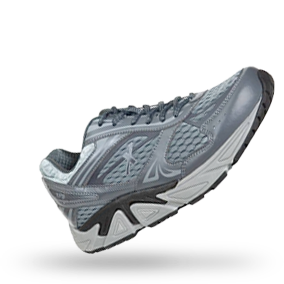
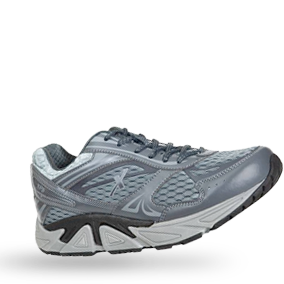
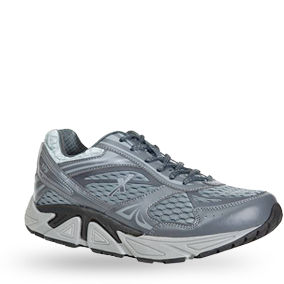
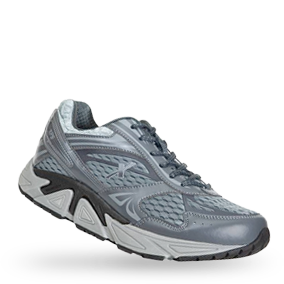
For hikers who prioritize relief and alignment, shoes built around biomechanical support often make more sense than trend-driven outdoor styles. Xelero, for example, approaches performance footwear with a focus on motion control, shock reduction, and forward movement, which aligns closely with what stability-focused hikers actually need from their footwear.
A quick try-on can tell you more than the product description if you know what to look for. Start by walking on a hard surface and notice whether the shoe feels planted from heel strike through toe-off. A stable shoe should feel controlled, not sloppy, and it should not force your foot to work to stay centered.
Next, pay attention to heel hold. If your heel lifts or shifts, the shoe may become unreliable on descents. Then notice whether the arch area feels supportive without creating pressure. Good stability should feel like guidance, not a hard object pushing into your foot.
It also helps to test lateral confidence. Step side to side and see if the platform feels broad and steady. If the shoe feels tall, narrow, or overly soft, it may be comfortable for short walks but less dependable on uneven trails.
One more reality check matters here. The best hiking shoes for stability are not always the lightest shoes on the wall. More structure often means a little more weight. For many hikers, especially those managing pain or instability, that trade-off is worth it because the body spends less effort correcting every step.
A lot of hikers buy based on cushioning alone. Plush cushioning can feel appealing at first, but if it allows the foot to sink or tilt, it may increase fatigue on technical terrain. Comfort is essential, but stable comfort usually comes from support plus cushioning, not cushioning by itself.
Another mistake is assuming boots are always better than shoes. Hiking boots can offer more coverage and protection, but a stable hiking shoe can be the better option if you want lower weight, easier turnover, and dependable support without extra bulk. It depends on the terrain, pack weight, and how much ankle confidence you need.
Many people also size too small. On hikes, feet swell, and descents push the foot forward. If the toe box is cramped, you may change your gait without realizing it. That can affect balance and increase strain. Stability works best when the foot has room to function naturally while still being held securely through the heel and midfoot.
Not every hiker needs the same amount of control. For groomed trails and moderate terrain, a moderately structured hiking shoe may be enough. If you are carrying a heavier pack, dealing with chronic instability, or hiking on rockier and more unpredictable surfaces, a more supportive model is usually the better call.
This is also where your body history matters. If you regularly finish hikes with sore arches, aching knees, or a tired lower back, that is often a sign you need more than a generic trail shoe. A more stable platform can improve efficiency and reduce the constant corrective work your muscles and joints are doing.
The right choice should feel confidence-building, not restrictive. You want a shoe that supports your mechanics, protects you from harsh terrain, and still lets you move naturally. When that balance is right, hiking feels less like managing discomfort and more like simply focusing on the trail ahead.
A good hiking shoe should not ask your body to compensate for what the design failed to support. When stability is built in from the ground up, every step feels more reliable, and that makes it easier to keep doing what matters most – staying active, comfortable, and moving forward.