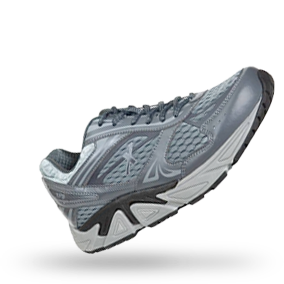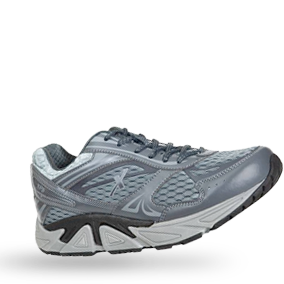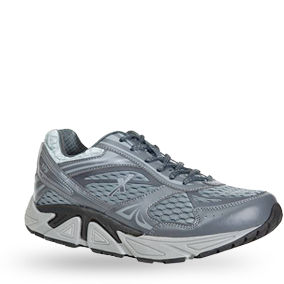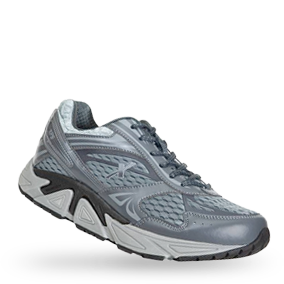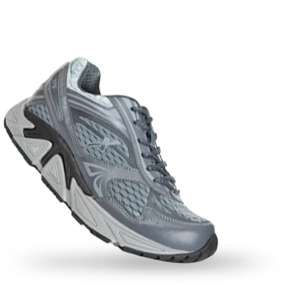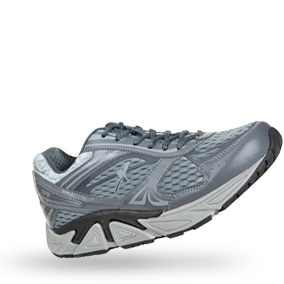
A lot of people ask the same practical question before a trip, a fitness reset, or a long day on their feet: are running shoes good for long distance walking? The short answer is yes, sometimes. But the better answer is that it depends on how the shoe is built, how you walk, and whether your body needs cushioning alone or more structured support.
That distinction matters more than most shoppers realize. A shoe can feel soft in the store and still leave your feet, knees, or lower back more fatigued after several miles. Long distance walking puts repetitive stress on the body, and the right shoe should do more than feel comfortable for ten minutes. It should help keep your stride stable, reduce impact stress, and support alignment as the miles add up.
Running shoes and walking shoes are not always as different as people expect. Both are designed for forward motion, shock absorption, and comfort. That is why many running shoes can work well for walking, especially if they offer a stable platform, good heel support, and a smooth transition through the gait cycle.
The problem is that not all running shoes are built with the same priorities. Some are designed for speed and a lighter, springier ride. Others focus more on cushioning than control. Those features may feel great for short bursts of running, but they are not always ideal for long walks, particularly if you overpronate, deal with plantar fasciitis, or notice discomfort in your knees, hips, or back.
A long walk is repetitive and steady. Your foot strikes differently when walking than when running, and your body usually benefits from controlled motion, dependable support, and a stable base rather than a soft, highly flexible feel. So yes, running shoes can be good for long distance walking, but only when their design supports walking mechanics rather than working against them.
Walking several miles is often treated as low impact, but that can be misleading. Every step still creates force that travels from the foot up through the ankle, knee, hip, and lower back. Over time, small alignment problems can become very noticeable.
For long distance walking, the best shoe usually provides cushioning without instability. It should absorb impact, but it also needs enough structure to keep the foot from rolling excessively inward or outward. A secure heel, a supportive midsole, and a shape that encourages forward movement can all make a meaningful difference.
Fit is equally important. When feet swell during longer walks, shoes that seemed fine at first can start rubbing at the toes, heel, or sides of the foot. Toe room matters. Midfoot security matters. The way the heel holds matters. Long distance comfort is rarely about one feature. It is about how the full shoe works together over time.
Many people assume more cushioning automatically means more comfort. Sometimes it does. But on long walks, very soft foam can allow too much movement, especially if the shoe lacks guidance and support.
That is where fatigue often shows up. The foot works harder to stabilize itself, which can create strain not just in the foot, but up the chain in the calves, knees, and hips. A balanced ride tends to work better than an overly plush one. You want impact protection, but you also want the foot to feel planted and controlled.
If you have neutral mechanics and no history of pain, a well-made neutral running shoe may serve you perfectly well for long walks. But if you notice arch collapse, ankle rolling, or recurring discomfort, stability becomes much more important.
A more supportive design can help maintain alignment through the gait cycle and reduce the extra stress that comes from poor motion control. This is especially relevant for older adults, people recovering from overuse, and anyone trying to stay active without aggravating existing pain.
Running shoes are often a solid choice for long distance walking when they have moderate cushioning, a stable base, and a secure fit. If the outsole is durable, the heel is not overly narrow, and the upper keeps the foot comfortably in place, the shoe may perform very well on walks of several miles.
They can be especially useful for people who want one athletic shoe for mixed use. Maybe you alternate between brisk walking, light jogging, travel days, and everyday errands. In that case, a supportive running shoe can offer versatility without sacrificing comfort.
This is also why some performance comfort brands design footwear with both motion control and smooth forward progression in mind. A shoe that helps guide the foot efficiently can support long-distance walking far better than one that simply feels soft underfoot.
Some running shoes are too flexible, too unstable, or too aggressive for walking needs. Lightweight race-inspired models, shoes with tall and very soft foam, or styles with minimal structure can all become less comfortable over distance if your body needs more control.
That does not mean the shoe is poorly made. It just means the design goal is different. A shoe built to feel fast during a run is not automatically the right shoe for a steady five-mile walk on pavement.
You may also need something more specialized if you deal with foot pain, arthritis, plantar fasciitis, bunions, neuropathy, or chronic discomfort in the knees or lower back. In those cases, the question is not just are running shoes good for long distance walking. It is whether that specific running shoe supports your biomechanics well enough to reduce stress instead of adding to it.
The best way to evaluate a shoe is to look past the category name and focus on performance features. Whether it is labeled a running shoe or a walking shoe, ask what it is actually doing for your body.
A good long-distance walking shoe should feel stable when you stand on one foot. It should not wobble excessively under the heel. It should bend in a natural place near the forefoot, not fold too easily through the middle. It should hold the heel securely and leave enough room in the toe box for natural toe movement.
You should also pay attention to how your body feels after wearing it, not just while trying it on. If your arches ache, your knees feel more loaded, or your lower back feels tired after a walk, the shoe may not be giving you the support you need.
If you regularly feel relief when wearing more supportive footwear, that is meaningful. If one side of your outsole wears down faster, if your ankles collapse inward, or if you avoid longer walks because of discomfort, a generic athletic shoe may not be enough.
This is where biomechanical support becomes valuable. Shoes designed with motion control, alignment support, and impact reduction can help take pressure off problem areas and make long walks feel more sustainable. For many people, that matters more than a lightweight feel or a trend-driven design.
They can be, but this is where being selective matters most. Pain changes the conversation. If your feet or joints are already under stress, the wrong shoe can make a manageable problem worse.
Look for a shoe that supports proper alignment, absorbs impact without instability, and promotes a smooth heel-to-toe transition. If you need more control, choose a model built for stability rather than one that relies on soft cushioning alone. Xelero approaches this need by focusing on motion control and forward-moving support, which can be especially helpful for walkers who want comfort without giving up structure.
The goal is not just to finish the walk. It is to feel better during it and recover better afterward.
Instead of asking whether all running shoes are good for long distance walking, ask whether the shoe matches your gait, your comfort needs, and the distance you actually plan to cover. That shift leads to better choices.
If you walk occasionally and have no pain, many running shoes will do the job well. If you walk daily, cover long distances, or deal with recurring discomfort, support and stability deserve more attention. The right shoe should help you stay active with less strain, not simply get you through the day.
Long distance walking should leave you pleasantly tired, not worn down. When your footwear supports alignment and controls motion as well as it cushions impact, every mile feels more manageable.