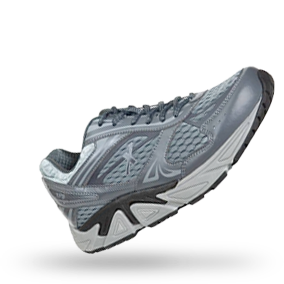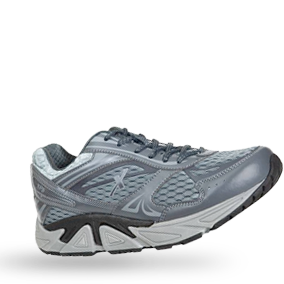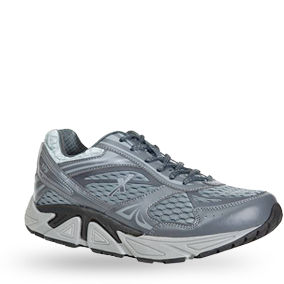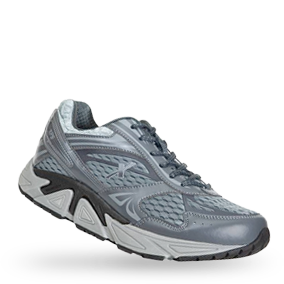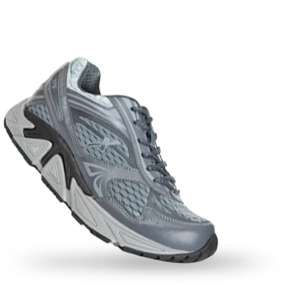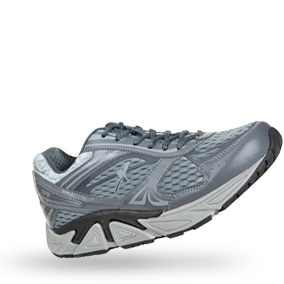
A lot of knee pain starts lower than the knee itself. If your foot rolls too far inward, your ankle collapses, or your stride feels unstable, that movement can travel up the chain and place added stress on the knee. That is why people often ask, do motion control shoes help knees? The honest answer is yes, they can – but only when the shoe matches the way your body moves.
Knee discomfort is rarely caused by one single issue. It usually comes from a combination of alignment, repetitive impact, walking or running mechanics, muscle strength, and the type of footwear you wear every day. A supportive shoe cannot solve every source of pain, but it can reduce the strain created by poor foot motion and uneven loading. For many people, that makes a meaningful difference.
Not for everyone, and that distinction matters. Motion control shoes are designed to limit excessive foot motion, especially overpronation. Overpronation happens when the foot rolls inward too much during the gait cycle. When that inward roll is significant, it can change leg alignment and increase rotational stress at the knee.
If that pattern is part of your movement, a more stable shoe may help reduce the extra motion that contributes to knee irritation. The result can be better tracking through the stride, less side-to-side instability, and more controlled impact as you walk or run. For someone with flat feet, collapsing arches, or a history of needing structured support, motion control footwear often feels noticeably more secure.
But if your mechanics are different, a heavily controlling shoe may not feel better. Some people do best in moderate stability, while others need cushioning and guidance without a firm corrective feel. Knee pain can also come from arthritis, tendon irritation, old injuries, training errors, or weak hips and glutes. In those cases, footwear may help, but it is only one part of the picture.
The knee sits between the foot and the hip, so it absorbs the consequences of movement from both directions. When the foot is unstable at ground contact, the leg above it often compensates. That can change how force moves through the joint.
Think of it this way. Every step starts with contact, then weight transfer, then push-off. If the foot collapses too much during that sequence, the shin can rotate inward more than it should. That altered path can place extra demand on the knee, especially over thousands of steps in a day.
This is where motion control shoes can help. By improving platform stability, supporting alignment, and managing excessive inward roll, they can reduce some of the abnormal motion that contributes to knee strain. They do not make the body move perfectly, but they can create a more stable base.
That base matters whether you are walking the neighborhood, standing for long hours, or trying to stay active without aggravating pain. Better control at the foot can mean less compensation higher up.
Motion control is sometimes misunderstood as simply making a shoe stiffer. In reality, the goal is more specific. A good motion control shoe is built to guide the foot through the gait cycle with more consistency and less unwanted movement.
That usually comes from a combination of features rather than one single design element. A structured midsole helps resist collapse. A stable heel counter helps keep the rearfoot aligned. A wider, more grounded base can improve balance and reduce wobble. Some models also use geometry that supports smoother forward progression, which can take pressure off the joints during transition from heel strike to toe-off.
For people with knee discomfort, that combination can matter more than softness alone. A very cushioned shoe may feel comfortable at first step, but if it allows too much instability, it may not reduce the mechanics that are irritating the knee. Comfort and control both matter.
The strongest case for motion control shoes is when knee pain is linked to gait mechanics. If your arches flatten significantly under load, your shoes wear down harder on the inside edge, or you often feel unstable while walking, a more supportive shoe may help improve how force moves through the lower body.
They are also often helpful for people who spend long days on their feet. Fatigue tends to make form worse. As the foot gets tired, it can become less efficient at controlling motion, which may increase stress on the knees. More structured footwear can provide support that holds up longer through the day.
Walkers and runners may benefit when repetitive impact is part of the problem. A shoe that combines shock absorption with motion control can reduce harsh loading while still keeping alignment in check. Older adults may also find value in the added stability, especially if they feel unsteady or notice joint discomfort after routine activity.
This is one reason brands like Xelero focus on biomechanical support rather than comfort in isolation. The goal is not just a soft feel underfoot. It is to help the body move in a more stable, efficient way that supports long-term mobility.
There are limits. If your knee pain is caused by an acute injury, swelling, locking, or instability in the joint itself, footwear is not the first issue to solve. The same is true if pain is coming from advanced arthritis, a torn structure, or a major training spike.
Motion control shoes may also feel too restrictive for someone who does not overpronate or who prefers a more neutral ride. In some cases, too much correction can create discomfort elsewhere, especially if the shoe changes your mechanics in a way your body is not used to.
That is why more support is not always better. Better support means support that matches your needs. The right shoe should feel stable and natural, not like it is forcing your foot into an awkward position.
You do not need a lab analysis to notice some useful clues. If your knee pain shows up after walking or standing and improves when you wear more supportive shoes, that is a meaningful sign. If your current shoes feel soft but unstable, or if they tilt inward as they wear down, the knee may be reacting to poor control underfoot.
Another clue is whether your discomfort is paired with foot fatigue, arch collapse, or ankle instability. Those issues often travel upward. Pain along the inside of the knee or around the kneecap can sometimes reflect alignment problems lower in the chain, although that is not always the case.
Pay attention to timing as well. Pain that builds gradually during activity often points to repetitive loading mechanics. Shoes with stronger structure may help if the source is cumulative stress rather than a sudden injury.
If knee relief is the goal, look beyond labels. Not every shoe marketed as supportive offers the same level of control. What matters is how the shoe manages alignment under real movement.
A stable heel is important because rearfoot control affects how the leg tracks above it. Midsole support should feel protective without being harsh. The base should feel planted, especially through heel strike and mid-stance. Good cushioning matters too, but it should work with stability, not replace it.
Fit is equally important. Even the best motion control design will not help much if the shoe is too narrow, too loose, or allows sliding. A secure fit through the heel and midfoot helps the support features do their job. If you use orthotics, make sure the shoe has enough depth and structure to accommodate them properly.
If your knees hurt, it is easy to focus only on what is underfoot. Footwear matters, but so do calf mobility, hip strength, activity level, and recovery. The best results often come from combining the right shoe with a broader plan to reduce stress on the joint.
That may mean adjusting walking volume for a few weeks, rotating out worn shoes, or addressing weakness that changes how you load the knee. If pain persists, worsens, or comes with swelling or instability, it is smart to get a professional assessment. The goal is not just to mask discomfort. It is to understand what is driving it.
For the right person, motion control shoes can absolutely make the knees feel better. They can improve alignment, reduce excess motion, and provide a more stable platform with every step. And sometimes that is exactly the support your body needs to keep moving with more comfort and confidence.
If your knees seem to complain after every walk, run, or long day on your feet, it may be worth looking down before you look anywhere else.