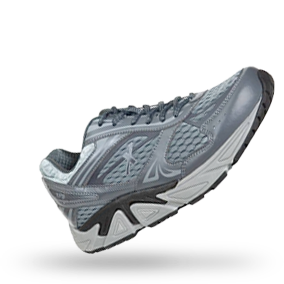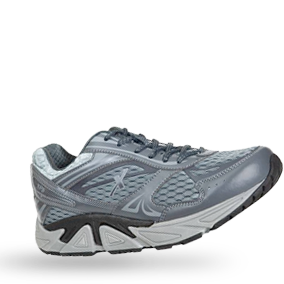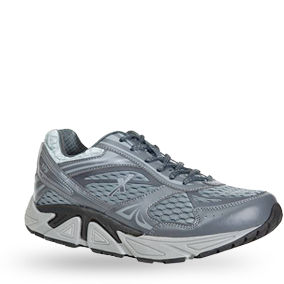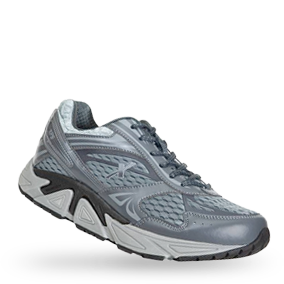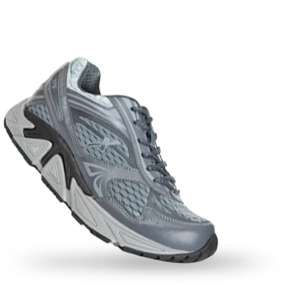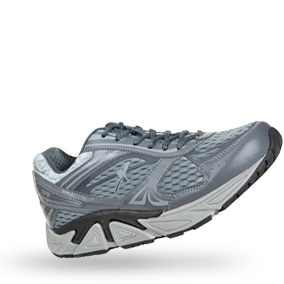
A long walk, a workout, or even a full day on your feet can leave more than simple fatigue behind. For many people, the real issue is what happens after – lingering heel pain, sore knees, tight calves, or lower-back discomfort that keeps showing up the next day. Recovery footwear is designed for that in-between space, when your body is asking for relief but still needs stable support.
The category has grown quickly, but not every recovery shoe, slide, or sandal solves the same problem. Some options feel soft for a few minutes and then leave your feet working harder than they should. Others offer structure and alignment that can actually help reduce stress through the gait cycle. If you are choosing recovery footwear because comfort alone is no longer enough, it helps to know what separates short-term cushioning from meaningful support.
At its best, recovery footwear helps your body calm down after repetitive stress. That can mean impact from running, fatigue from standing, or irritation caused by poor mechanics over time. The goal is not simply to make your feet feel cushioned. The better goal is to reduce pressure, support alignment, and create a more stable platform for walking and standing when your joints and soft tissue need a break.
That distinction matters. A very soft underfoot feel can be pleasant at first, but softness by itself does not control motion or guide the foot well. If your foot rolls excessively, if your arch collapses, or if your heel drifts out of alignment, a plush shoe may still allow the same movement pattern that contributes to discomfort. Recovery footwear should help interrupt that cycle, not just mask it.
For people dealing with plantar fasciitis, post-workout soreness, tired feet, or mild recurring pain in the knees, hips, or lower back, the right recovery shoe can play a practical role in daily mobility. It is not a medical cure, and it is not a substitute for treatment when pain is persistent. But it can reduce the load your body has to manage with every step.
A common mistake in this category is assuming that the softest option must be the most restorative. In reality, recovery often depends on a balance of cushioning and control. Too firm, and the shoe may feel unforgiving when your feet are already irritated. Too soft, and you may sink into instability.
That balance becomes even more important if you have existing alignment issues. Footwear that supports the heel, stabilizes the midfoot, and promotes smoother forward motion can help reduce the extra stress that travels up the chain. When the foot is not well supported, the ankle compensates. Then the knee, hip, and lower back can follow.
This is where biomechanical design matters. Features like a stable base, structured heel support, responsive cushioning, and controlled flex can all contribute to better recovery than softness alone. For many adults, especially those who stay active while managing chronic discomfort, the feeling to look for is not pillow-like. It is secure, balanced, and easier on the body.
The first few steps should feel relieving, but the real test happens after twenty minutes, an hour, or a full day. Good recovery footwear should reduce that sense of foot strain and help you move without feeling unstable. Your heel should feel seated rather than loose. Your foot should not spill over the sidewalls. Your stride should feel smoother, not sloppy.
If you notice that your toes are gripping to stay balanced, or that your ankles feel wobbly, the footwear may be too soft or too unstructured for your needs. If the arch feels aggressive or the sole feels rigid in the wrong places, that can also be a sign of mismatch. Recovery should feel supportive, not corrective to the point of discomfort.
There is also a difference between footwear for post-exercise use and footwear for all-day wear. Slides and sandals can be useful around the house, after training, or for short periods when you want easy relief. But if you are dealing with recurring pain or need dependable support for errands, travel, work, or longer walks, a recovery-focused shoe often makes more sense. A more complete upper and a more stable platform usually provide better control than open styles.
Recovery footwear is often associated with runners, but the audience is much broader than that. Walkers, hikers, nurses, retail workers, warehouse employees, and older adults can all benefit from shoes that reduce impact and improve stability after long periods on their feet.
It can also be a strong option for people who are not recovering from exercise at all. Many customers are simply trying to stay active without aggravating foot pain, knee soreness, or back fatigue. In that case, recovery is less about the gym and more about daily function. The right footwear can help turn routine movement into something more manageable.
That said, not everyone needs the same level of support. Someone with generally healthy mechanics may do well in a lighter recovery sandal for short wear. Someone with overpronation, chronic heel pain, or joint sensitivity may need a motion-control design that keeps the foot aligned through each step. It depends on your body, your activity level, and how much structure your gait requires.
The best place to start is stability. A broad, grounded outsole tends to feel better over time than a narrow, overly rounded one. From there, look at heel security, midfoot support, and the way the shoe transitions you forward. A recovery product should not feel flat and dead underfoot, but it also should not feel so bouncy that it becomes unpredictable.
Cushioning should absorb impact without letting the foot collapse. Arch support should feel present but not intrusive. The upper should hold the foot comfortably in place, especially if you plan to wear the shoe beyond quick recovery moments. If you use orthotics or need extra depth, fit becomes even more important.
A strong recovery design often includes motion-control elements, whether they are visible or built quietly into the geometry of the shoe. That matters because many people who seek relief are also dealing with movement patterns that increase stress on the body. Supportive design can help make each step more efficient, which is often what true comfort feels like.
One of the biggest misconceptions is that recovery footwear belongs only in the gym bag. In practice, many people need recovery support most during ordinary routines – morning walks, grocery trips, travel days, time on hard floors, or long stretches of standing.
For these use cases, durability and consistency matter. A recovery shoe that feels good for ten minutes but breaks down quickly will not provide much value. The more useful option is one that maintains cushioning, resists compression, and keeps delivering support after repeated wear.
This is where performance-oriented comfort brands have an advantage. When recovery is built around alignment, stability, and controlled motion rather than trend-driven softness, the result is usually more dependable for real life. Xelero takes this approach by focusing on forward motion, support, and impact reduction for people who need more than casual comfort.
There are times when better shoes help, but not enough on their own. If you have sharp pain, significant swelling, numbness, or symptoms that keep worsening, footwear should be part of a larger conversation with a medical professional. The same goes for injuries that need diagnosis or rehab support.
Even then, what you wear still matters. Footwear can either calm things down or keep irritating the issue. Choosing a more stable, recovery-oriented option can be a smart step while you address the underlying cause.
The goal is not to expect shoes to solve everything. It is to avoid asking tired, sore, or misaligned feet to work harder than they need to. When recovery footwear is designed with real support in mind, it can help you stay active more comfortably and with less unnecessary strain.
The best pair should make movement feel less like something you have to push through and more like something your body can handle well again tomorrow.