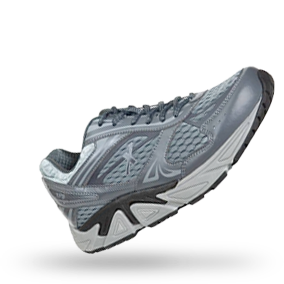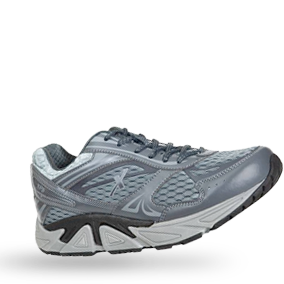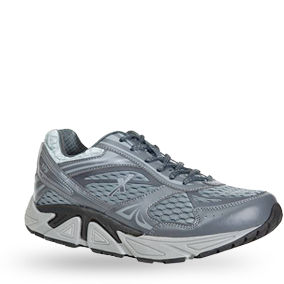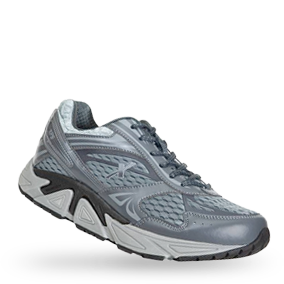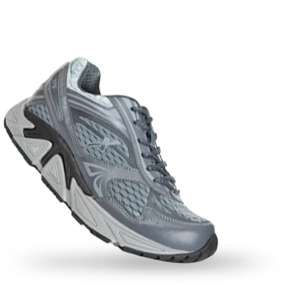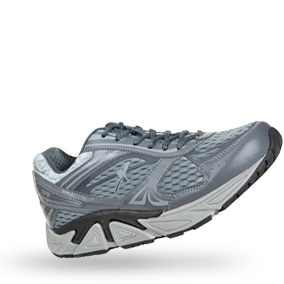
If your feet feel tired halfway through a neighborhood walk, or your knees and lower back start talking after a long day on your feet, your shoes may be doing less work than they should. That is usually where the question comes up: do stability shoes help walking? For many people, the answer is yes – but only when the shoe matches how their body moves.
Walking looks simple, yet every step asks your feet, ankles, knees, hips, and back to stay aligned while absorbing impact and moving you forward. When that chain gets a little off track, even easy daily walking can feel harder than it should. A stability shoe is designed to guide motion, limit excess movement, and create a more controlled platform underfoot.
Not for everyone, and that is the key distinction. Stability shoes are not automatically better than neutral shoes. They are better for walkers who need more support through the gait cycle.
If your foot rolls inward more than it should, if your arch collapses under load, or if you feel unstable during longer walks, a stability shoe can help keep your stride more centered. That support may reduce stress that would otherwise travel up to the ankles, knees, hips, and lower back. For people dealing with fatigue, joint discomfort, or a history of overpronation, that can make walking feel smoother and more efficient.
On the other hand, if your gait is naturally stable and you do well in a neutral shoe, adding extra control may not improve comfort. In some cases, it can simply feel firmer or more structured than you prefer. The goal is not to force every foot into more correction. The goal is to find the right amount of guidance.
A good stability shoe does more than feel supportive when you first put it on. It changes how your foot interacts with the ground throughout the step.
During walking, your heel lands, your foot transitions through midstance, and then you push off through the forefoot. If the foot collapses too far inward during that middle phase, alignment can drift. Stability features help manage that motion. Depending on the design, that may come from a firmer midsole area, a wider base, a more secure heel, or geometry that encourages forward movement instead of side-to-side wobble.
That matters because walking is repetitive. A small movement pattern, repeated thousands of times, can become a big source of stress. Better control does not mean stiffness for its own sake. It means the shoe is helping your body stay in a more efficient path with less unnecessary motion.
For many walkers, that translates into less strain under the arch, less ankle fatigue, and a more planted feel during longer outings. For others, the biggest difference is not in the foot at all. It is higher up the chain, where the knees and hips do not have to compensate as much.
The people who tend to benefit most from stability walking shoes are those who need both comfort and control. That often includes adults who walk for exercise, people who spend long hours standing, older adults who want a more secure feel, and anyone managing recurring discomfort tied to poor alignment.
If you notice uneven wear on the inside of your shoes, frequent arch fatigue, a rolling-in sensation, or discomfort that builds over time rather than appearing all at once, stability features may be worth considering. The same is true if you have had success with orthotics or have been told you overpronate.
This category can also help people recovering from flare-ups who want a more dependable platform underfoot. A well-designed motion-control or stability shoe can make daily mobility feel less taxing, especially when standard athletic shoes feel too soft, too flexible, or too unstable.
That said, there is a range within stability footwear. Some shoes offer light guidance. Others provide much stronger motion control. If you need support but also have sensitive feet, conditions like plantar fasciitis, or joint pain, the best result often comes from a shoe that balances structure with cushioning rather than focusing on correction alone.
The phrase do stability shoes help walking can suggest a simple yes-or-no answer, but shoe fit is rarely that neat. Sometimes the issue is not stability. It is sizing, cushioning, rocker shape, toe room, or even the surface you walk on most often.
If a shoe is too narrow, your foot may feel unstable no matter how much support the midsole provides. If the cushioning is too soft, you may sink and lose control. If it is too hard, pressure points can become the real problem. And if your foot mechanics are already well controlled, a neutral walking shoe with the right platform may feel better than a more corrective design.
There is also the question of comfort preference. Some walkers want a highly structured feel that keeps them centered. Others want moderate support with more flexibility. The right answer depends on how your body responds after an hour of walking, not just how the shoe feels in the first minute.
You do not need to read like a footwear engineer to spot a supportive shoe, but it helps to know what to look for. A stable walking shoe often has a secure heel counter, a broader outsole platform, and a midsole that resists excessive side-to-side collapse. It may also have a geometry that supports smoother forward progression.
The best models tend to feel steady without feeling harsh. Your heel should feel held in place, your arch should feel supported rather than poked, and the shoe should guide your stride without making you fight it. If you put on a shoe and immediately feel like your foot is tilting outward or being forced into an unnatural position, that is usually too much correction or the wrong shape for your foot.
This is where performance-oriented support matters. Shoes built around motion control and alignment are not just softer casual options with extra padding. They are engineered to manage load, reduce instability, and support more consistent movement over time.
Even the most advanced stability shoe will not help much if the fit is off. Walking creates foot expansion, so a shoe that feels fine standing still can become restrictive after several miles. You need enough room in the toe box for natural movement, enough midfoot security to prevent sliding, and a heel that stays in place without rubbing.
A stable platform should work with your foot, not trap it. If you wear orthotics, the shoe should also accommodate them without making the fit too tight or lifting your heel out of position. That combination of support, depth, and structure is often what separates true walking performance footwear from general comfort shoes.
For people with chronic discomfort, fit issues can mask the benefits of stability. A shoe may have the right control features, but if it compresses the forefoot or creates pressure on a sensitive area, you are unlikely to keep wearing it. Relief depends on the whole package.
The best test is not whether the shoe feels firm. It is whether your walking feels easier and more controlled after real use. Pay attention to what happens after a few days or a couple of weeks.
If stability is helping, you may notice that your stride feels more centered, your feet feel less tired at the end of the day, and your usual pain points are less aggravated. You may also feel more confident on uneven sidewalks, during longer errands, or when standing for extended periods.
If the shoe feels bulky, creates new soreness, or seems to fight your natural stride, it may be the wrong level of control. The right supportive shoe should feel purposeful, not punishing.
For walkers who need meaningful guidance and relief, this is where brands like Xelero stand apart. The value is not just extra cushioning. It is footwear engineered to support alignment, reduce impact stress, and promote a smoother forward-motion gait.
Yes, stability shoes can absolutely help walking when the problem is excess motion, poor alignment, or fatigue caused by an unstable base. They can improve comfort, reduce strain, and help your body move with better control. But they are not a universal fix, and more support is not always better.
The best walking shoe is the one that matches your mechanics, supports your gait, and keeps you active without adding stress where you do not need it. If walking has started to feel harder on your feet or joints than it used to, the right stability features can make a noticeable difference. Sometimes the most helpful change is not walking less. It is walking in shoes that finally support the way you move.