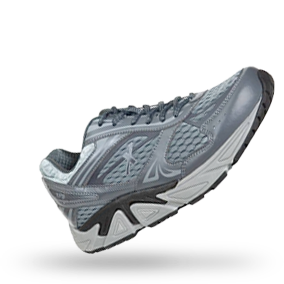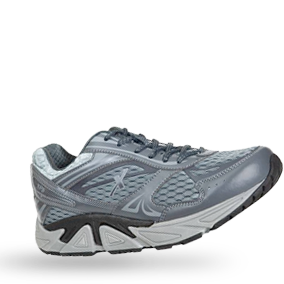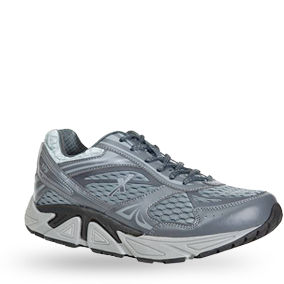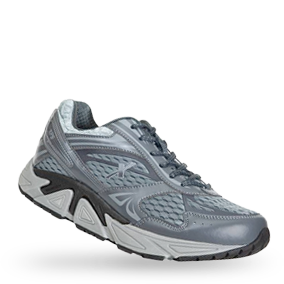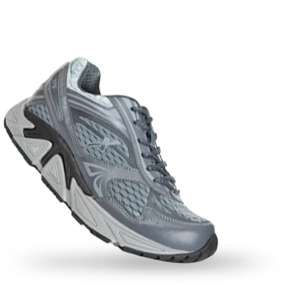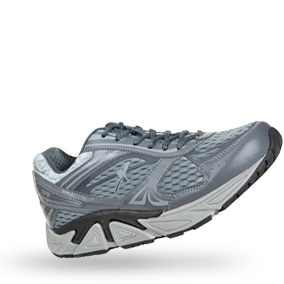
A shoe can feel soft the moment you put it on and still make your knees, hips, or back work harder with every step. That is why finding the best shoes for joint pain is not really about cushioning alone. It is about how the shoe supports alignment, controls motion, and helps your body move forward with less strain.
If your joints ache after walking, standing, running errands, or spending long hours on your feet, footwear can either reduce that stress or add to it. The right pair will not fix every source of pain, but it can make daily movement feel more stable, more efficient, and less punishing.
Joint pain is rarely isolated to one spot. Pain in the foot can change how you walk, which may increase stress at the knee. Limited stability at the heel can affect the hip. Poor shock management can travel upward into the lower back. That is why supportive footwear should be evaluated as a full-system tool, not just a comfort item.
The best shoes for joint pain usually share a few important traits. They help keep the foot in a more stable position, reduce excessive inward or outward movement, and cushion impact without becoming unstable. They also support a smoother gait cycle, so your body is not constantly compensating with each step.
A very soft shoe may feel pleasant for a few minutes, but if it allows too much movement, that softness can create more fatigue over time. On the other hand, a shoe that is too rigid may feel secure yet fail to absorb enough impact. The strongest options strike a balance between structure and comfort.
Many people start their search by squeezing the midsole or looking for the thickest padding possible. That is understandable, especially if every step feels sharp or tired. But joint relief often depends more on support geometry than on how plush a shoe feels in your hand.
A supportive shoe helps guide the foot through heel strike, midstance, and toe-off with less wasted motion. That matters because unstable movement can increase rotational stress on the ankle and knee. Over time, even small alignment issues can add up, especially if you walk often, stand for work, or exercise regularly.
Look for a stable heel base, a secure midfoot, and a sole that encourages forward motion rather than letting the foot collapse or twist. This is where motion-control features can make a meaningful difference for people dealing with recurring discomfort.
The most useful way to shop is by matching shoe features to the kind of stress your body is dealing with. Not every painful joint needs the same type of shoe.
If you overpronate or feel your ankles roll inward, a motion-control design can help limit excess movement. Better alignment at the foot can reduce compensations farther up the chain, particularly at the knees and hips. This does not mean the shoe should feel stiff and unnatural. It should feel guided and stable.
Impact protection matters, especially for walking on pavement or standing on hard floors. But cushioning works best when it is paired with a platform that does not wobble. A shoe that compresses too easily can make the joints work harder to regain control.
Shoes that encourage a smoother heel-to-toe transition can reduce pressure during the gait cycle. This can be especially helpful for people with forefoot pain, limited mobility, or fatigue that worsens over the course of the day. A well-designed forward-motion sole can help reduce the effort required for each step.
A firm heel counter and stable rearfoot structure can improve control at initial contact. This often helps people who feel unsteady, wear out one side of the shoe quickly, or notice knee discomfort after longer walks.
Joint pain often comes with swelling, sensitivity, or the need for orthotics. A good shoe should provide enough room in the toe box without allowing the foot to slide around. Poor fit can undermine even the best support system.
A better question than “What is the softest shoe?” is “What kind of mechanics are adding stress to my body?” That shift usually leads to a better result.
Knee discomfort often benefits from shoes that improve alignment and reduce side-to-side instability. Excess pronation can increase rotational force at the knee, so a stable platform and motion control are often more helpful than ultra-soft foam alone. If your knees hurt more on hard surfaces, shock absorption also matters, but it should come with structure.
Hip pain can be aggravated by uneven gait mechanics, leg fatigue, and poor foot control. Shoes with a balanced base, supportive midsole, and smooth forward transition can help reduce compensation. A shoe that lets the foot collapse inward may lead to more strain higher up.
Back pain is influenced by many factors, but footwear can still play a role. Shoes that improve posture, absorb impact, and promote a more efficient stride may reduce cumulative stress from standing and walking. In many cases, an unstable or worn-out shoe quietly contributes to the problem.
Pain at the foot or ankle can cause a guarded gait, which changes loading across the entire lower body. If you are limping slightly, walking on the outside of the foot, or avoiding push-off, supportive footwear becomes even more important. The goal is to restore a more natural pattern with less compensation.
One common mistake is choosing a shoe based only on how it feels for the first few steps. Instant softness can be misleading. A better test is whether the shoe still feels supportive and controlled after 30 minutes of walking.
Another mistake is ignoring wear patterns. If the outer heel is heavily worn down or the midsole looks compressed, the shoe may no longer be doing its job. Even a high-quality shoe loses support over time.
People also tend to buy too flexible a shoe for all-day wear. Flexibility can be useful in the right places, but if the shoe bends and twists too easily, it may not provide enough control for someone managing joint pain.
The best shoe for a neighborhood walk may not be the best shoe for work, travel, or exercise. Activity matters.
For walking, most people with joint discomfort do well in shoes that combine a stable base, moderate cushioning, and smooth forward motion. For running, the same principles apply, but impact management becomes more demanding and fit becomes even more critical. For everyday wear, consistency is key. A supportive casual shoe or recovery shoe can help prevent the cycle of feeling good in one pair and aggravated in another.
If you rotate between multiple shoes, make sure they all support your mechanics reasonably well. One highly supportive pair cannot fully offset hours spent in unsupportive footwear.
Some people need more than built-in support. If you wear custom orthotics or over-the-counter inserts, look for a shoe with enough depth, a removable insole, and a stable chassis. An insert placed inside a flimsy shoe does not always solve the problem. The shoe itself still needs to provide structure.
This is one reason medically adjacent footwear has become more relevant for active adults. Brands that design around biomechanics rather than trend-driven softness often deliver better results for people who want to stay mobile without aggravating pain. Xelero, for example, focuses on motion control, forward movement, and alignment support in a way that speaks directly to this need.
A good shoe does not need to feel dramatic. Often the clearest sign is what you notice later. Your joints feel less irritated after errands. You recover faster after a walk. You are less aware of each step. That is meaningful progress.
Pay attention to whether pain starts later, stays milder, or shows up less often. Also notice your posture and fatigue. Supportive shoes often improve comfort indirectly by reducing how hard the body has to work to stay aligned.
That said, if pain is severe, worsening, or tied to injury, footwear should be part of the plan, not the entire plan. Shoes can reduce mechanical stress, but they cannot replace medical evaluation when something deeper is going on.
The strongest choice is usually not the trendiest or the softest. It is the shoe that helps your body move more cleanly and absorb stress more effectively. For some people, that means firmer support and motion control. For others, it means a more forgiving ride with enough structure to keep the foot centered.
If you are shopping for the best shoes for joint pain, think beyond comfort in the first minute. Look for stability, alignment support, controlled cushioning, and a shape that promotes smoother movement. When a shoe works with your gait instead of against it, everyday activity becomes more manageable – and staying active starts to feel realistic again.
The right pair should make movement feel less like something to get through and more like something you can trust.