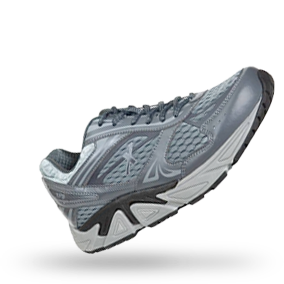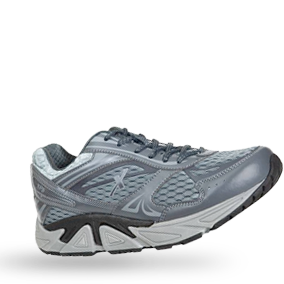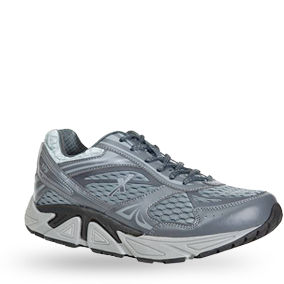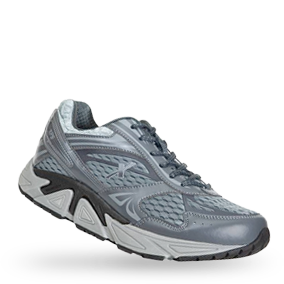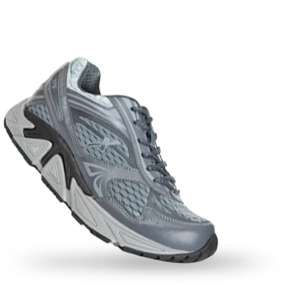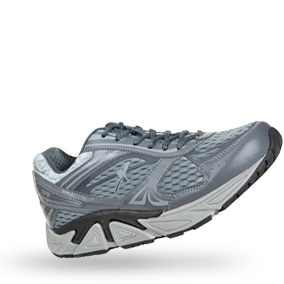
A small change underfoot can change how the whole body moves. For many families, the search for shoes for older adults with balance problems starts after a close call – a missed step on the stairs, a shaky walk across a parking lot, or the feeling that standing for too long takes more effort than it used to.
The right shoe cannot treat every cause of imbalance, but it can make daily movement steadier, more predictable, and less fatiguing. That matters because balance is not just about the feet. It is about how the feet, ankles, knees, hips, and spine work together with every step. When footwear supports alignment and controls excess motion, it can help the body stay on a more stable path.
Balance issues often have more than one cause. Age-related muscle changes, joint stiffness, slower reaction time, neuropathy, arthritis, prior injury, and general deconditioning can all play a role. Even vision changes or certain medications may affect how stable someone feels while walking.
That is why footwear should never be treated as a minor detail. A soft, unsupportive shoe may feel comfortable for a few minutes, but if it allows the foot to roll too much or the body to sway, comfort quickly turns into instability. On the other hand, a well-constructed shoe can create a more secure base, improve step-to-step control, and reduce the strain that travels up the kinetic chain.
This is especially important for older adults who want to stay active. Walking the dog, shopping, traveling, gardening, and simply moving around the house all demand reliable traction and support. A shoe that helps guide forward motion while limiting excess side-to-side movement can make those activities feel more manageable.
The first priority is stability. That usually comes from a firm, supportive platform rather than an overly soft one. Many people assume more cushioning automatically means a better shoe, but too much softness can create an unstable feeling underfoot. For someone with balance concerns, a balanced midsole with controlled cushioning is often more useful than a shoe that feels plush but wobbly.
A secure fit matters just as much. If the heel slips or the forefoot slides inside the shoe, the body has to compensate with every step. Look for a shoe that holds the heel in place, supports the midfoot, and gives the toes enough room without letting the foot drift. Laces or other adjustable closures are usually a better choice than loose slip-ons, especially for outdoor walking or longer periods on the feet.
Outsole traction is another key factor. The sole should provide dependable grip on common surfaces like hardwood, tile, pavement, and light outdoor terrain. A slick outsole can increase fall risk, but so can an outsole that is bulky or awkwardly shaped. Good traction should feel stable and predictable, not heavy or clumsy.
Motion control can also be a major benefit. For older adults who overpronate, have alignment issues, or feel unsteady during the gait cycle, footwear with built-in motion-control features can help reduce excess movement that throws off balance. This kind of support is not about making the foot rigid. It is about guiding it more efficiently from heel strike through toe-off.
Finally, pay attention to how the shoe transitions. A stable shoe should help the wearer move forward with less effort, not fight the natural walking motion. If a shoe feels flat, unstable, or tiring after a short walk, it may not be doing enough to support efficient movement.
The best supportive shoes do not simply feel hard. They feel controlled. There is an important difference.
A structured heel counter can make a noticeable difference because it helps anchor the rearfoot. That added structure can reduce wobble at the heel, which often improves the body’s sense of control during walking. A wider base can also help, especially for people who feel less secure on narrow or tapered soles.
Shock absorption still matters, but it should work with stability rather than against it. Older joints often benefit from impact reduction, particularly in the knees, hips, and lower back. The goal is to soften impact while preserving a steady platform. When those two features work together, walking tends to feel smoother and less taxing.
Rocker-style geometry or forward-motion design can also help some wearers. These features support a more efficient stride and reduce the effort needed to move through each step. For older adults dealing with stiffness or fatigue, that can mean less strain and a more confident walking pattern. It depends on the individual, though. Some people adapt quickly to this type of shoe, while others prefer a more traditional feel.
Minimal support is usually the wrong direction. Very soft slippers, flimsy knit shoes, unsupportive sandals, and worn-out sneakers often feel easy to put on, but they can leave the foot unstable and poorly aligned. The same is true for shoes with compressed midsoles. Once the support breaks down, the foot may tilt more than it should, and balance can suffer.
High heels are an obvious concern, but very thick platform soles can also create problems if they reduce ground awareness or make transitions less stable. Backless shoes are another common issue. If the foot has to grip the shoe to keep it on, that can change gait mechanics and increase fatigue.
It is also wise to be careful with shoes that are too heavy. A sturdy shoe is good. An overly bulky one can make walking more tiring, especially for someone with reduced leg strength or limited endurance. The best option usually combines structure with manageable weight.
Even a well-designed shoe will not help much if the fit is off. Feet often change with age, and many adults continue wearing the same size for years without realizing their shape or support needs have shifted. Width, arch support, instep height, swelling patterns, and toe room all deserve attention.
Try shoes later in the day if swelling is common. Wear the socks that will be used most often. Make sure there is enough room in the toe box to avoid pressure, but not so much room that the foot slides forward. The heel should feel secure, and the midfoot should feel held rather than squeezed.
For people who use orthotics, removable insoles can be especially helpful. They create flexibility and make it easier to customize support. If one foot is different from the other, fit the larger foot first and then fine-tune from there.
The best shoe depends on where and how it will be worn. A house shoe for quick trips to the kitchen has different demands than a walking shoe used for errands and neighborhood exercise. Still, the core principles stay the same: stable platform, secure fit, reliable traction, and support that improves alignment.
For everyday walking, many older adults do best in a supportive walking shoe with motion control, structured cushioning, and a sole designed to keep the stride smooth. For longer time on hard surfaces, shock absorption becomes more important, provided the platform still feels steady. For light outdoor use, grip and underfoot protection may need to increase.
If pain is part of the picture, the choice becomes even more specific. Knee, hip, and lower-back discomfort can all be aggravated by poor alignment below. A shoe that encourages better body positioning and reduces impact can help make walking more comfortable over time. That is one reason performance-oriented support matters. Brands such as Xelero focus on this relationship between motion control, alignment, and comfort because the right biomechanics can influence much more than the foot alone.
Shoes can help, but they are not a substitute for medical care when balance changes are sudden, worsening, or unexplained. If someone has frequent falls, dizziness, numbness, or significant weakness, it is smart to involve a physician or physical therapist. Footwear works best as one part of a broader mobility strategy.
That said, shoes are one of the few tools used every day. They affect every step, every stand, and every transition from one surface to another. When the design is working for the body instead of against it, daily movement often feels more secure.
A good pair of supportive shoes should not call attention to itself. It should simply help the wearer feel steadier leaving the house, walking across the room, and doing the ordinary things that keep life active and independent.