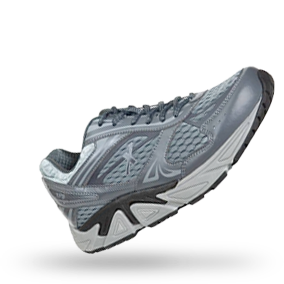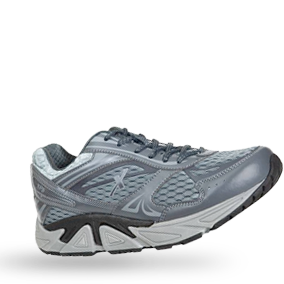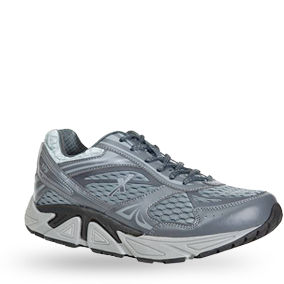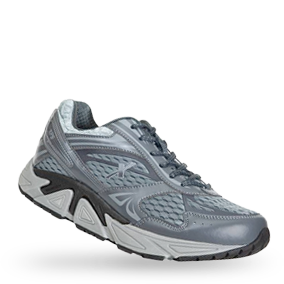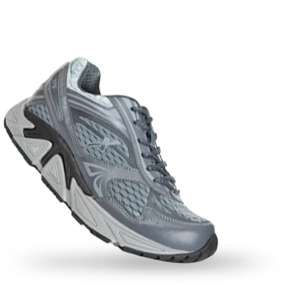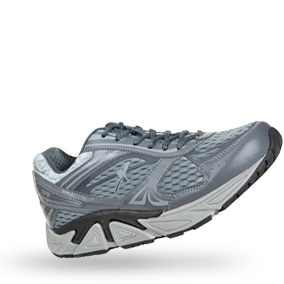
If your shoes wear down faster on the inside edge, your arches seem to collapse as you walk, or your feet leave you with aching ankles, knees, or lower back, this guide to shoes for overpronation is for you. Overpronation is common, but the wrong footwear can make it feel worse with every step. The right pair can help support alignment, improve stability, and reduce the stress that travels up the body during the gait cycle.
Pronation is the foot’s natural inward roll after it hits the ground. That movement is not a problem by itself. It helps absorb impact and adapt to the surface below you. Overpronation happens when the foot rolls inward too much or for too long, which can place added strain on the arch, ankle, and lower leg.
For some people, that strain stays in the foot. For others, it shows up as plantar fasciitis, shin discomfort, knee pain, hip irritation, or lower-back fatigue. This is why footwear matters so much. When the foot is not guided well through each step, the rest of the body often has to compensate.
Many shoppers assume they need the softest shoe they can find. Cushioning can help with comfort, but softness alone does not control motion. In some cases, a very soft shoe can allow the foot to sink and roll even more, especially if the platform is unstable or the upper does not hold the foot securely.
The better goal is a shoe that combines comfort with structured support. That usually means a stable base, controlled cushioning, good heel hold, and design features that encourage smoother forward motion. A supportive shoe should not feel harsh or rigid underfoot. It should feel steady, balanced, and dependable from heel strike through toe-off.
The best shoes for overpronation are designed to limit excessive inward motion without making your stride feel forced. Some use traditional stability elements, while others rely on geometry, platform design, or motion-control construction to guide the foot more effectively.
Start with the sole. A wider, more grounded base tends to provide better side-to-side security than a narrow or highly curved one. This matters because overpronation is not just about the arch. It is about how the entire foot interacts with the ground.
A stable platform can help keep the foot centered during loading. That creates a more controlled step and can reduce the chain reaction that affects the ankles, knees, and hips.
A firm heel counter, which is the supportive structure around the back of the shoe, can make a major difference. When the heel shifts too easily, the foot often loses alignment early in the gait cycle. A more secure heel helps guide the foot into a steadier position from the start.
This does not mean the shoe should feel stiff in a painful way. It means the rearfoot should feel held, not sloppy.
Cushioning should absorb impact without collapsing under pressure. If the foam compresses too much and too quickly, it may not give your foot enough support. Controlled cushioning helps reduce shock while preserving a more stable ride.
This is where trade-offs matter. Some people want a plush underfoot feel for long walks or all-day wear. Others do better in a firmer shoe that keeps them aligned. The right answer depends on your body, your activity, and how much motion control you need.
Support through the arch and midfoot helps keep the foot from rolling excessively as weight moves forward. In many shoes, this support comes from the shape of the midsole, a firmer medial section, or a chassis designed to resist collapse.
Good support should feel present without creating pressure points. If a shoe digs into your arch or feels overly aggressive, it may not be the right match for your foot shape.
Even a well-built sole can underperform if the upper lets the foot slide around. The upper should hold the midfoot and heel in place while giving the toes enough room to move naturally. If the shoe fits too loosely, your foot may drift inward despite the support below.
This is especially important for walking, hiking, and daily wear, where many hours of movement can magnify small fit issues.
Not every supportive shoe should feel the same. The best choice depends on how you plan to wear it.
For walking, a supportive shoe should feel smooth and stable over long periods. Many walkers benefit from a design that promotes forward motion and reduces fatigue during repetitive steps. If you are on hard surfaces most of the day, impact reduction becomes especially important.
For running, the demands are higher. The shoe needs to manage greater forces while keeping the foot aligned at a faster pace. Runners who overpronate often need a careful balance of stability, cushioning, and responsiveness. Too much bulk can feel slow. Too little control can leave the foot unsupported.
For hiking, traction and lateral stability matter just as much as arch support. Uneven ground can exaggerate inward rolling, so a hiking shoe should feel planted and protective. A flimsy trail shoe may be comfortable at first, but less effective when the terrain gets unpredictable.
For everyday wear, consistency is key. If your casual shoes provide much less support than your athletic shoes, your body may feel the difference. Many people do better when their daily footwear follows the same basic support principles they rely on for exercise.
A well-designed stability shoe cannot do its job if it does not fit properly. Your heel should feel secure, your midfoot should feel supported, and your forefoot should have enough space that your toes are not cramped. If the shoe is too short, too narrow, or too loose, it can change how your foot loads and rolls.
Try shoes later in the day if possible, when feet are slightly more swollen. Wear the type of socks you normally use. If you use orthotics, test the shoe with them in place. These small details can make a significant difference in real-world comfort.
One common mistake is sizing up to get more width. That can leave too much empty space in the shoe and reduce control. If width is the issue, a shoe that comes in the proper width is usually a better solution than simply going longer.
Some people move into highly cushioned shoes hoping they will solve foot pain, only to find that the pain shifts instead of improving. That is because impact and alignment are related, but they are not the same thing.
If your foot continues to roll inward excessively, extra softness may not address the underlying mechanics. You may still feel strain in the arch, shin, or knee because the motion pattern has not changed enough. Supportive construction, motion control, and guided forward movement often play a bigger role than cushioning by itself.
This is where performance-oriented support stands out. Brands such as Xelero focus on footwear that does more than feel comfortable in the moment. The design is meant to support alignment through the gait cycle, reduce impact stress, and help your body move more efficiently over time.
You do not need a formal gait analysis to notice patterns that point toward overpronation. If your old shoes are heavily worn on the inside edge, if your ankles seem to roll inward when you stand, or if you feel recurring fatigue in the feet and legs after moderate activity, your footwear may not be giving you enough control.
You may also notice that supportive shoes feel better not just in your feet, but in your knees or lower back. That broader relief is often a sign that alignment and stability are improving.
If pain is persistent, severe, or getting worse, it is smart to consult a qualified medical professional. Shoes can help significantly, but they are one part of a larger picture that may include mobility, strength, and individual foot structure.
The right shoe for overpronation should help you feel more stable without making movement feel stiff or unnatural. It should hold the heel, support the midfoot, manage impact, and keep the foot centered as you move forward. Most of all, it should match your daily needs, whether that means walking for exercise, standing for work, running for fitness, or staying comfortable through everyday routines.
A good supportive shoe does not just protect your feet. It can help reduce the extra stress that builds with every misaligned step. When your footwear works with your body instead of against it, staying active tends to feel more possible, and more sustainable.