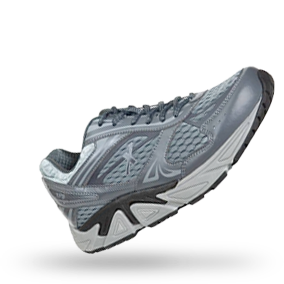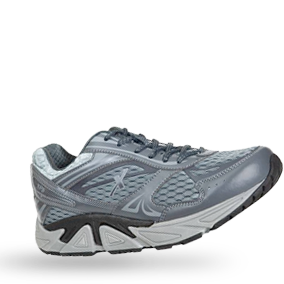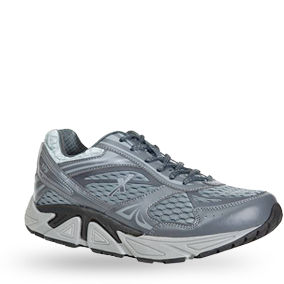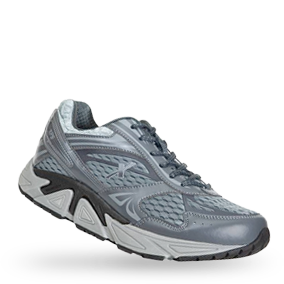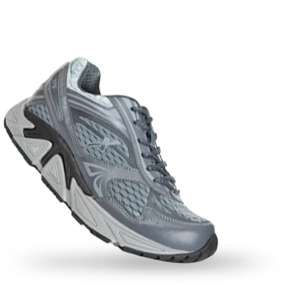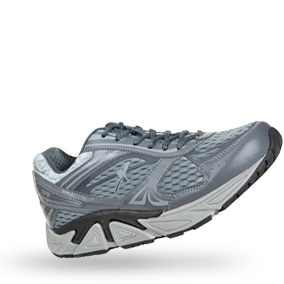
A short walk to the mailbox should not leave your feet aching, your knees irritated, or your balance feeling less certain. The right walking shoes for seniors can make everyday movement feel steadier, more comfortable, and far less taxing on the body. That matters not just for exercise, but for confidence during errands, neighborhood walks, travel, and time on your feet at home.
A good walking shoe does more than feel soft when you first put it on. It should support alignment through the gait cycle, help manage impact, and create a stable base from heel strike to toe-off. For older adults, that combination can be the difference between staying active with comfort and cutting walks short because something starts to hurt.
As we age, the body often becomes less forgiving of poor footwear. Natural cushioning under the foot may decrease, joints may feel stiffer, and balance may not be as automatic as it once was. A shoe that looked fine on the shelf but lacks structure can allow excess foot motion, increase fatigue, and transfer stress upward into the ankles, knees, hips, and lower back.
That is why shoe selection should start with function. Walking shoes for seniors should provide dependable stability, a secure fit, and cushioning that protects without making the foot feel disconnected from the ground. If the midsole is too soft, the shoe may feel pleasant for a few minutes but unstable over time. If it is too firm, impact may feel harsh. The best option usually sits in the middle – cushioned enough to reduce stress, structured enough to guide motion.
Many people shop for comfort by pressing on the insole or squeezing the heel. That only tells part of the story. Softness is easy to notice, but stability is what often supports better walking mechanics.
A stable walking shoe typically has a firm heel counter, a supportive midsole, and a platform that does not twist too easily through the middle. This helps keep the foot aligned as weight moves forward. For seniors who feel unsteady, have a history of overpronation, or experience foot and joint pain, motion control and guided support can be especially helpful.
That does not mean every older adult needs the most corrective shoe available. It depends on how you walk, where you feel discomfort, and whether your foot rolls excessively inward or outward. But in general, a shoe with more structure tends to outperform a flimsy, casual sneaker when daily comfort and stability are the goal.
One of the most common reasons walking shoes fail is poor fit. Feet can change over time. Arches may lower, toes may spread, and swelling can make a shoe that once felt fine suddenly feel restrictive.
A proper walking shoe should feel secure at the heel, comfortable through the midfoot, and roomy at the toes. You want enough length so your toes are not pressing the front, but not so much extra space that your foot slides. Heel slipping is not a minor annoyance – it can create friction, reduce control, and make walking feel less stable.
Width is just as important as length. Seniors with bunions, hammertoes, or forefoot swelling often do better in shoes with a more accommodating toe box. A narrow shoe can increase pressure points and change gait in ways that affect the whole body. A wider fit, on the other hand, should not come at the cost of heel security. The ideal fit gives your toes room while keeping the rearfoot locked in place.
Trying on shoes later in the day often gives a more realistic sense of fit, since feet may swell as the day goes on. Wear the socks you plan to use for walking, and pay attention to how the shoe feels after several minutes, not just the first step.
Cushioning is one of the main reasons people replace old shoes, but more is not always better. A highly pillowy shoe can reduce some underfoot pressure, yet it may also create a less stable platform if the foam compresses too easily.
For seniors, the better question is whether the shoe absorbs impact while still keeping the foot centered. This is especially important for anyone managing knee pain, hip discomfort, arthritis, plantar fasciitis, or lower-back strain. Shock absorption helps, but so does a design that promotes smoother forward motion and reduces jarring transitions.
This is where engineered walking footwear stands apart from generic comfort shoes. Supportive geometry, controlled cushioning, and a stable base can work together to reduce repetitive stress over the course of a walk. Xelero builds around that principle by focusing on alignment, forward movement, and motion control rather than relying on softness alone.
For seniors, traction is not a small detail. A smooth or worn outsole can undermine an otherwise supportive shoe. The outsole should provide reliable grip on common surfaces like pavement, store floors, and sidewalks without feeling sticky or awkward.
Heel design also matters. A broad, well-grounded heel can improve contact with the ground and reduce wobble at initial impact. Very elevated heels, even in athletic shoes, can shift posture in ways that do not always feel natural for walking. A moderate heel-to-toe transition often works best because it supports forward progress while keeping the body in a more balanced position.
If you use a cane, orthotics, or have concerns about fall risk, this part becomes even more important. The shoe should feel planted and predictable. You should not have to think about every step.
The best walking shoes for seniors are often the ones that address a specific challenge instead of trying to be everything for everyone. If you have plantar fasciitis, you may need firmer arch support and a more controlled heel. If arthritis affects the forefoot, extra depth and a roomier toe box may matter more. If knee pain is the main issue, alignment and shock management may be the deciding factors.
Neuropathy, swelling, bunions, and balance concerns can all change what a good shoe looks like. That is why a lightweight fashion sneaker or a casual slip-on may not be enough, even if it feels easy to put on. Ease matters, but not at the expense of support.
There is also a practical trade-off between convenience and adjustability. Slip-on shoes save time, but lace-up or strap-closure walking shoes often provide a more secure and customizable fit. For many seniors, that added adjustability leads to better comfort over the course of the day.
A shoe can still look decent on the outside and be worn out where it counts. Midsoles lose resilience gradually, so many people do not realize their shoes are no longer protecting them the way they should.
If your walks start feeling harsher, your feet feel more tired than usual, or you notice uneven wear on the outsole, it may be time to replace them. Some people also notice the first signs in their knees or lower back rather than in their feet. Once support breaks down, the body often compensates elsewhere.
For frequent walkers, replacing shoes before they are visibly collapsing can help prevent pain from building up. Think of it as maintaining your walking mechanics, not just refreshing your footwear.
When trying on walking shoes, pay attention to four things: heel hold, toe room, underfoot stability, and how naturally the shoe moves you forward. A good pair should feel secure without pinching, cushioned without wobbling, and supportive without feeling stiff in the wrong places.
Walk long enough to notice whether the shoe encourages an even stride. If you feel pressure on one side, sliding in the heel, or a need to grip with your toes, that pair may not be right. Good walking shoes tend to disappear under you. They support the motion instead of making you work around the shoe.
Staying active later in life often depends on small decisions made well. Choosing footwear with the right support, fit, and stability can make daily walking feel more natural again, and that kind of comfort has a way of carrying into the rest of the day.