Many people have heard the term overpronation, but not everyone knows what it actually means. If you have ever been told you need more support in your shoes, or if your feet tend to feel tired, strained, or unstable while walking, overpronation may be part of the reason.
The good news is that overpronation is common, and the right footwear can often help make walking feel more comfortable and controlled. Understanding what overpronation means is a good first step toward choosing shoes that better support the way you move.
To understand overpronation, it helps to start with pronation. Pronation is the natural inward rolling motion of the foot that happens as you walk. This is a normal part of movement. It helps the foot absorb impact and adjust to the ground.
Overpronation happens when the foot rolls inward more than it should. Instead of moving through the stride in a balanced way, the foot may collapse inward too much, especially through the arch and ankle area. Over time, that extra motion can place more stress on the foot and lower body.
In other words, pronation is normal. Overpronation is when that motion becomes excessive.
When the foot rolls inward too much, it can affect more than just the foot itself. Because your feet are the foundation of your body, changes in foot motion can influence how force travels through the ankles, knees, hips, and even the lower back.
Overpronation may contribute to issues such as:
Not everyone with overpronation will have pain, but too much inward rolling can make it harder for the body to move efficiently and comfortably.
Overpronation is not always obvious, but there are a few common signs that may point to it.
You may be overpronating if:
Some people also find that flat or unsupportive shoes feel especially uncomfortable, while more supportive shoes feel noticeably better.
The right shoes can help by offering the support and stability needed to better control excess motion. The goal is not to stop natural movement completely. It is to help reduce too much inward rolling and create a more balanced, supported stride.
Supportive shoes may help with:
For many people, the right shoes help walking feel steadier and less tiring, especially during longer days on their feet.
If you think overpronation may be affecting your comfort, there are several shoe features worth paying attention to.
Motion Control or Stability Features
Shoes designed with stability in mind can help reduce excess inward movement and support a more controlled stride. These features are often especially helpful for people who need more structure than a standard walking shoe provides.
Arch Support
Because overpronation often involves the arch collapsing inward too much, arch support is important. A shoe with better midfoot support can help reduce strain and make the foot feel more stable.
Secure Heel Support
The heel plays a major role in how the foot starts each step. A shoe with a secure heel can help improve rearfoot stability and reduce the feeling of wobbling or excess motion.
Stable Cushioning
Cushioning matters, but it should still feel supportive. Shoes that are too soft may not offer enough control for someone dealing with overpronation. Stable cushioning can help absorb impact without sacrificing support.
A Supportive Sole
A sole that is too flexible or collapses too easily may not provide enough structure. A more supportive sole can help guide the foot through a smoother, more balanced walking motion.
One of the biggest mistakes people make when shopping for walking shoes is assuming that the softest shoe will automatically be the most comfortable. Softness can feel good at first, but if the shoe does not provide enough support, it may not help much over time.
For someone who overpronates, a very soft shoe may allow too much inward motion instead of helping control it. That can leave the foot feeling less stable and more fatigued by the end of the day.
That is why support and stability matter just as much as cushioning. The best shoe is often the one that feels balanced, secure, and supportive while you are actually walking.
When overpronation is not well supported, walking can become more tiring than it should be. The feet may work harder, the ankles may feel less stable, and discomfort may build over time. A more supportive shoe can help reduce that strain and make movement feel smoother and more controlled.
That is especially important for people who:
The right support can make a noticeable difference in how your feet feel during normal daily activity.
Overpronation is a common walking pattern, but that does not mean it should be ignored if it is affecting your comfort. When the foot rolls inward too much, it can place extra stress on the arches, ankles, and other parts of the body. Shoes with the right combination of support, stability, and structure can help create a more controlled stride and reduce some of that everyday strain.
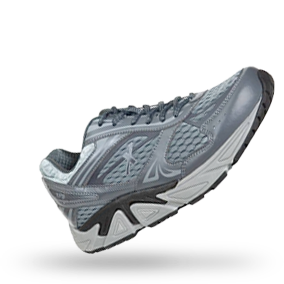
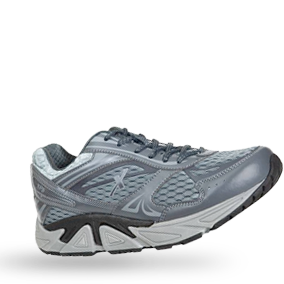
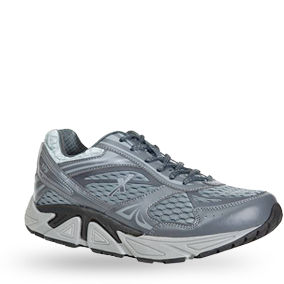
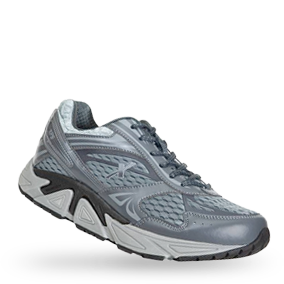
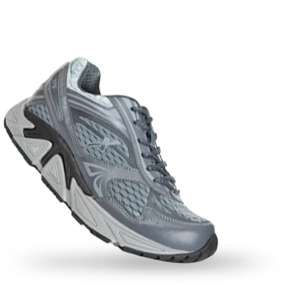
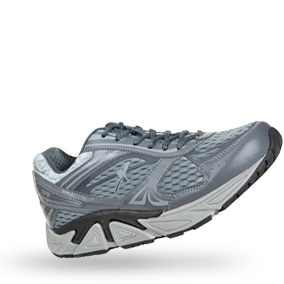
Xelero Shoes are designed with support, stability, and motion control in mind to help reduce excess foot motion and improve walking comfort. For people dealing with overpronation, foot fatigue, or a less stable stride, that added support can help make everyday movement feel more comfortable and controlled.