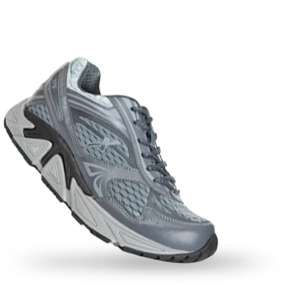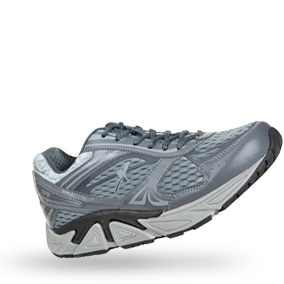
A sandal can feel great for the first twenty minutes and still be the wrong choice by hour three. That is the problem with shopping for supportive sandals for walking all day. Soft footbeds and lightweight materials often get the attention, but true all-day comfort comes from how well a sandal supports alignment, controls motion, and reduces repeated stress on your feet, knees, hips, and lower back.
If you spend long days on your feet, the difference shows up gradually. Your arches start to fatigue. Your heel drifts inward. Your forefoot absorbs more pressure than it should. By the end of the day, what seemed like a comfortable sandal feels unstable, and your whole body notices. A more supportive design helps limit that chain reaction.
The best supportive sandals for walking all day do more than cushion impact. Cushioning matters, but on its own it is not enough. A sandal also needs to hold the foot in a stable position through the gait cycle so your body is not constantly compensating with every step.
That starts with the footbed. A supportive footbed should have a defined shape rather than a flat, floppy base. Good arch support helps distribute pressure more evenly and reduces strain on the plantar fascia and midfoot. A contoured heel cup can improve positioning at heel strike, while a structured forefoot area helps the foot move forward with less collapse.
The outsole matters just as much. A sandal built for all-day walking needs a sole that feels planted, not overly flexible and not rigid to the point of feeling awkward. Too much flexibility lets the foot bend where it should be supported. Too much stiffness can change your stride in a way that feels forced. The right balance supports forward motion while still allowing a natural step.
Many people assume the softest sandal will be the most comfortable for walking all day. Sometimes the opposite is true. Extremely soft foam can feel pleasant at first, but if it compresses too easily, your foot loses support over time. That can increase fatigue rather than reduce it.
This is especially true if you deal with plantar fasciitis, overpronation, bunions, arthritis, or recurring knee and back discomfort. In those cases, a sandal that lets the foot roll too much can aggravate symptoms. A firmer, more structured platform often feels better over a full day because it keeps the foot better aligned and reduces unnecessary motion.
That does not mean every walker needs the same level of control. Some people want moderate support for travel and errands. Others need a more performance-driven sandal because they walk long distances or have a history of pain. The key is matching softness with structure, not choosing one at the expense of the other.
When evaluating sandals for long periods of walking, pay attention to how the upper secures your foot. Adjustable straps at the forefoot, instep, and heel help create a more stable fit and reduce sliding. If your foot shifts with every step, your muscles work harder to stabilize, and friction increases.
Heel security is often overlooked. Backless slides can be convenient, but they usually require your toes to grip more as you walk. Over time, that can lead to fatigue in the forefoot and contribute to discomfort. A sandal with a heel strap generally offers better control for longer walks.
Arch support should feel present without creating a pressure point. If the arch sits in the wrong place for your foot, even a well-made sandal can feel uncomfortable. Width also matters. A foot that hangs over the edge of the footbed loses support quickly, while a too-narrow upper can create pressure and irritation.
Shock absorption is another part of the picture, especially if you walk on pavement, concrete, or other hard surfaces. The right sandal helps reduce impact stress, but again, impact protection works best when paired with stable construction. Support and cushioning need to work together.
Almost anyone who spends hours on their feet can benefit from a more supportive sandal, but some people notice the difference immediately. If you have flat feet, high arches, plantar fasciitis, Achilles tightness, or a tendency to overpronate, poor sandal design can catch up with you quickly.
The same is true for people with knee, hip, or lower-back discomfort. Footwear affects alignment from the ground up. When the foot is unstable, the rest of the body often compensates. That does not mean sandals can solve every source of pain, but better support can reduce strain that builds with repetitive walking.
Older adults often benefit as well, especially if they need more underfoot stability and a secure fit. For this group, balance and predictable foot placement are often just as important as softness. A sandal that feels easy to step into but hard to control can become a problem over a full day.
The first test is simple. Put the sandal on and walk long enough to notice whether your foot feels held in place or whether it feels like it is working to stay on the footbed. A supportive sandal should feel secure without forcing you to grip with your toes.
Next, look at how your heel sits. If it rolls inward noticeably or the sandal feels unstable side to side, you may not be getting enough support. Pay attention to whether your arch feels gently supported or whether the footbed feels flat and vague.
You can also assess the sole by bending it. A quality walking sandal should flex where your foot naturally bends, near the forefoot, not collapse through the middle. Twisting the sandal can reveal the same thing. If it wrings out easily, it may not provide the structure needed for long days on hard surfaces.
Finally, think beyond the try-on. Some sandals feel fine during a short test but lose their advantage after an hour or two. If your feet feel more tired than expected, or if discomfort starts traveling up to your knees or back, that is often a sign the sandal is not controlling motion well enough.
Supportive sandals can work very well for warm-weather walking, travel, casual daily wear, and periods of standing when breathability matters. For many people, they are a better summer option than flat flip-flops or unsupportive fashion sandals.
Still, there are limits. If you are walking uneven trails, carrying heavy loads, or dealing with significant instability, a more structured walking or hiking shoe may be the better choice. Closed shoes usually provide more overall containment, which can matter if you need maximum control.
This is where expectations matter. A sandal can be highly supportive and still not replace a motion-control shoe in every setting. If your feet are sensitive or your symptoms are persistent, it helps to think in terms of activity-specific support rather than one perfect option for everything.
Even the best-built sandal will underperform if the fit is off. Your heel should sit securely without slipping, and your toes should have room to move without extending past the edge of the footbed. Straps should feel adjustable enough to accommodate swelling, which is common during long days of walking and standing.
Try sandals later in the day if possible, when your feet are a little larger. Wear them on surfaces and for durations that reflect how you will actually use them. A quick lap around the house does not tell you much about how a sandal will perform during sightseeing, work, or an active weekend.
If you use orthotics in your everyday shoes, pay close attention to how much built-in support the sandal provides. Some people do well with a contoured sandal footbed alone. Others need a more advanced support system to feel truly comfortable. Brands that focus on biomechanical stability, motion control, and recovery-oriented design often serve these needs better than style-led options.
For people who want open-air comfort without giving up alignment and relief, that distinction matters. At Xelero, the design philosophy centers on helping the body move with more stability and less stress, which is exactly what all-day walking footwear should do.
The right sandal should let you stay active without thinking about your feet every few minutes. If a pair supports your stride, reduces fatigue, and keeps you moving comfortably from morning through evening, that is not just comfort. That is performance where it counts most.