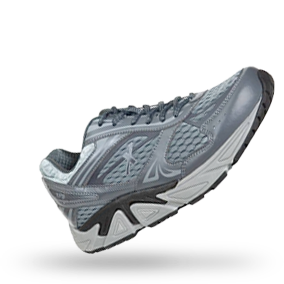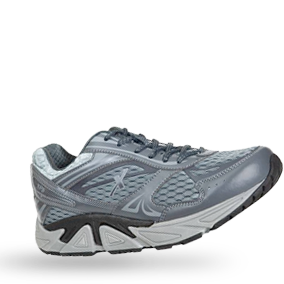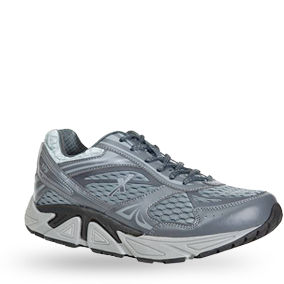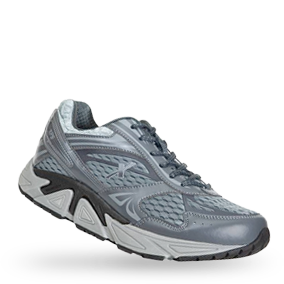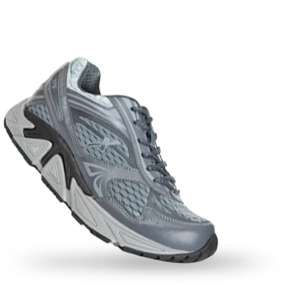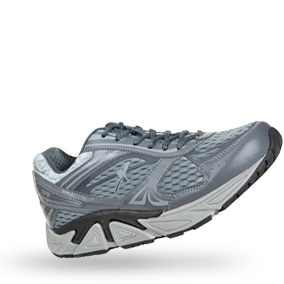
If your hip starts talking halfway through a walk, your shoes may be part of the problem. The best shoes for hip pain walking do more than feel soft underfoot – they help control motion, support alignment, and reduce the stress that travels from the ground up into the hips.
Hip pain is rarely just about the hip itself. For many walkers, irritation builds because the foot rolls too far inward, the body compensates side to side, or each step sends more impact into the joints than it should. A supportive walking shoe cannot diagnose the cause of hip pain, but it can make daily movement more stable, more efficient, and less aggravating.
A good walking shoe for hip discomfort should help your body move in a straighter, more controlled path. That matters because every step begins at ground contact. If the foot collapses, wobbles, or lands harshly, the ankle, knee, and hip often have to absorb the consequences.
The most helpful shoes usually combine three things: stability, cushioning, and a smooth heel-to-toe transition. Stability helps limit excess motion that can throw off alignment. Cushioning helps reduce repetitive impact. A smooth transition helps your stride feel less forced, which can matter when the hip is already irritated.
This is why the softest shoe is not always the best choice. Very plush shoes can feel comfortable for a few minutes, but if they allow too much movement, they may leave the hips working harder over a full walk. In many cases, controlled support beats pillow-like softness.
Walking is a chain reaction. The foot hits the ground, the ankle responds, the knee tracks, and the hip helps guide the leg and pelvis through the stride. When support breaks down at the foot, the hip often has to compensate.
Overpronation is one common example. If the foot rolls inward too much, the leg can rotate in a way that changes how the hip loads with each step. On the other hand, a shoe that is too rigid or too flat for your needs can also create problems by limiting natural motion or increasing impact. The right balance depends on your gait, your walking surface, and how much support your body needs.
That is also why there is no single answer for everyone with hip pain. Someone with arthritis may want more cushioning and a stable platform. Someone recovering from overuse may benefit most from stronger motion control. Someone with lower-back and hip discomfort together may notice the biggest difference from improved alignment throughout the gait cycle.
A firm, secure heel counter helps keep the rearfoot from shifting too much when you land. That can improve control early in the stride and reduce unnecessary side-to-side movement that may travel up to the hips.
If you can easily crush the heel of a shoe with one hand, it may not give enough structure for someone who needs joint support during walking.
Not every walker with hip pain needs a heavy motion-control shoe, but many benefit from some level of guidance. Shoes that support the foot through the gait cycle can help reduce overpronation and improve overall alignment.
This is especially useful if you wear down the inside edge of your shoes, feel unstable on longer walks, or notice hip fatigue that gets worse as your form breaks down.
Shock absorption matters, but it should work with the shoe’s support system, not against it. The best shoes for hip pain walking often have cushioning that absorbs impact while still keeping the foot centered on the platform.
Think protected, not squishy. You want the step to feel easier on the joints without feeling like you are sinking into the shoe.
A well-designed walking shoe should help you move through the step with less friction. When the transition from heel strike to toe-off is smoother, the body often works less to keep momentum going. That can be helpful when hip pain is making every step feel guarded or uneven.
Forward-motion design is especially valuable for people who walk daily for exercise, spend long hours on their feet, or notice stiffness at the start of each step.
The platform of the shoe matters more than many people realize. A narrow or unstable base can increase wobble, while a broader, grounded platform can improve balance and confidence. That is important for older adults, walkers with joint sensitivity, and anyone who feels unsteady when pain flares up.
A supportive shoe should feel secure without squeezing. If the midfoot slides around, the shoe cannot guide movement effectively. If the toe box is too tight, you may change the way you walk to avoid pressure, which can shift stress elsewhere.
The right fit helps the support features actually do their job.
Minimal support shoes, worn-out sneakers, and overly flexible slip-ons are common problems. They may be fine for short casual use, but for someone managing hip discomfort, they often do not provide the structure needed to keep the gait cycle controlled.
You also want to be careful with shoes that feel great in the store but lack long-walk support. A soft insole can create a nice first impression. That does not mean the shoe will still feel good after a mile, on concrete, or at the end of a busy day.
Another issue is old cushioning. Even if the outsole still looks usable, the midsole may have compressed over time. Once that happens, impact protection and stability usually drop off. If your hip pain has increased and your shoes are several months into heavy wear, replacement may matter more than you think.
A few patterns are worth paying attention to. If your hips feel worse after walking but improve when you wear more supportive shoes, that is a clue. If one shoe tilts inward, the outsole is more worn on one side, or your feet feel tired and unstable by the end of the day, your footwear may be allowing too much motion.
You might also notice secondary signs such as knee soreness, lower-back tightness, or aching in the arches. Because the body works as a chain, poor support often shows up in more than one place.
For many adults, the biggest improvements come when they move from general comfort shoes to footwear designed around biomechanics. Shoes built for motion control, recovery, and stable forward movement can reduce the small inefficiencies that add up over hundreds or thousands of steps.
That does not mean every supportive shoe has to feel stiff or clinical. The goal is to create a more efficient stride, not to overcorrect. Brands that focus on alignment and joint relief, including Xelero, are built around that idea: helping the foot move in a more controlled way so the rest of the body has less stress to manage.
Start with how and where you walk. If you take short neighborhood walks on pavement, you may need a reliable daily walking shoe with balanced cushioning and support. If you spend all day on hard floors, all-day stability may matter more than athletic responsiveness. If you walk for fitness and put in serious mileage, smooth transition and long-lasting structure become even more important.
It also helps to think about your body, not just the shoe category. If you have flat feet, a history of overpronation, or recurring knee and back issues along with hip pain, a more supportive option is usually a safer choice. If your hip discomfort is occasional and tied more to impact than instability, moderate cushioning with good alignment support may be enough.
If you use orthotics, bring that into the decision too. Some shoes pair well with inserts because they have removable insoles and a stable base. Others become too tight or lose their intended fit once an insert is added.
Hip pain can make even a short walk feel like something to manage instead of enjoy. The right shoes will not fix every cause, but they can reduce the motion, impact, and instability that often keep the problem going. When your footwear supports alignment and helps you move forward with less strain, walking tends to feel more natural again.
If you are looking for the best shoes for hip pain walking, focus less on soft-first comfort and more on stable comfort that holds up over time. Your hips usually notice the difference long before your shoes wear out.