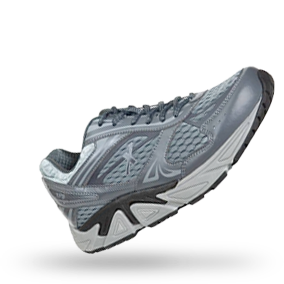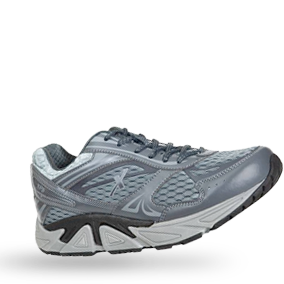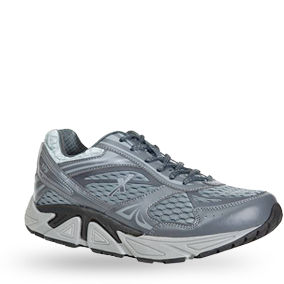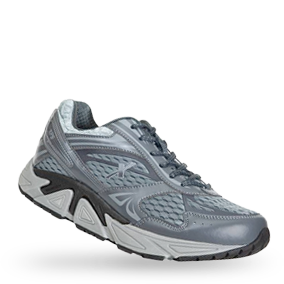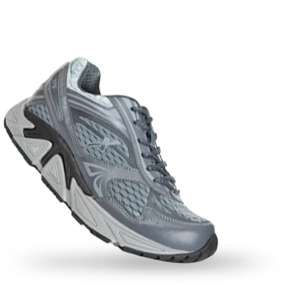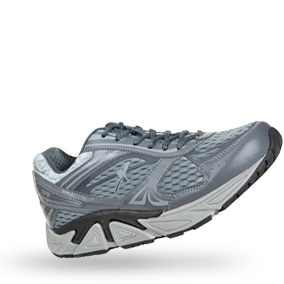
If you are standing in front of your closet wondering, can we use walking shoes for running, the honest answer is sometimes – but not for every runner, every distance, or every body. A short jog in walking shoes may feel fine at first. The bigger question is whether the shoe is built to handle the higher impact, faster transitions, and repeated force that running puts on your feet, knees, hips, and lower back.
That distinction matters even more if you already deal with foot fatigue, joint discomfort, instability, or alignment issues. A shoe that feels comfortable during a walk can still fall short once your pace changes and the load on your body increases.
Yes, in a limited sense. If you need to run across a parking lot, catch a flight, or do a very short, occasional jog, many walking shoes can get you through it. That does not automatically make them a good running shoe.
Walking and running look similar, but the mechanics are different. During walking, one foot usually remains in contact with the ground, and the impact forces are lower. Running introduces a flight phase, higher loading rates, and stronger braking and propulsion forces. Your footwear has to manage more shock, more motion, and quicker transitions from heel strike to toe-off.
A walking shoe is usually designed for a smoother, more controlled stride at lower speeds. A running shoe is built to absorb higher impact and support the body through faster repetitive motion. That is why the answer depends less on whether it is possible and more on whether it is wise for your body and your activity.
The main difference is not branding. It is performance under stress.
Walking shoes often prioritize stability, step-to-step comfort, and all-day wear. They may have firmer midsoles, a more structured feel, and flex points tuned for walking mechanics. That can be helpful for daily movement, especially for people who want support and control.
Running shoes are typically engineered for repeated impact. They often include cushioning systems that handle higher force, geometry that encourages forward motion at faster speeds, and outsoles designed for the wear patterns that come with running.
Neither category is automatically better. The right choice depends on how you move and what your body needs. Some people need a highly stable running shoe rather than a soft, neutral one. Others may prefer a walking shoe for long workdays but need more shock management for exercise. The problem starts when one shoe is asked to do a job it was not really built for.
When you walk, the forces going through your lower body are lower and more gradual. When you run, those forces rise quickly. That means the shoe has less time to stabilize your foot and more stress to absorb.
If a walking shoe does not provide enough cushioning for running, you may feel it as foot soreness, shin discomfort, knee irritation, or general fatigue. If it is too stiff in the wrong places, your stride can feel awkward. If it is too flexible or lacks the right support, your alignment may drift as the miles add up.
For people with overpronation, joint pain, or a history of plantar fasciitis, posterior tibial tendon issues, or lower-back discomfort, support is not a minor detail. Running amplifies movement patterns. Small stability issues can become more noticeable at higher speed and impact.
That is why a supportive walking shoe is not always enough for running, even if it feels excellent during daily wear. Running demands support under a different set of conditions.
There are situations where using walking shoes for running is reasonable. If you are doing very short run-walk intervals, testing a new fitness routine, or jogging occasionally for a few minutes at a time, a supportive walking shoe may be acceptable temporarily.
This is most likely to work if the shoe has a stable platform, secure fit, decent shock absorption, and a smooth heel-to-toe transition. It also helps if you are running on predictable surfaces and not pushing speed or distance.
Some people who are returning to activity after a long break start with walking and gradually add short running intervals. In that transition phase, the line between walking and running footwear can feel blurry. Even then, it is worth paying attention to how your body responds after the workout, not just during it.
If your feet ache more than expected, your knees feel beaten up, or your lower back gets tight after short runs, the shoe may be part of the problem.
The risk goes up when running becomes regular. If you are running several times a week, covering longer distances, or increasing pace, walking shoes are usually not the best tool for the job.
They are also a poor choice if you already know you need motion control, impact protection, or structured support for pain prevention. In those cases, running in a shoe designed specifically for running can help reduce excess strain through the gait cycle.
Be more cautious if you notice any of the following:
Those signs suggest the shoe is not managing running mechanics well enough for your needs.
For support-focused shoppers, the decision is not just walking shoe versus running shoe. It is whether the shoe helps keep your body aligned while reducing stress over repeated movement.
A good running shoe for comfort and control should provide stable cushioning, not just softness. It should guide the foot through the gait cycle without feeling rigid or harsh. It should also have a secure heel, a well-structured midsole, and enough forefoot flexibility to move naturally.
If you deal with pain or instability, look closely at motion-control features and platform design. A wider, more stable base can improve confidence underfoot. Cushioning should absorb impact without allowing excessive collapse. Forward-motion geometry can also help the stride feel smoother and less effortful.
This is where a performance-oriented support brand like Xelero stands apart from style-first athletic footwear. The goal is not simply to feel plush in the first few steps. The goal is to promote alignment, reduce impact stress, and support comfortable movement over time.
You do not always need a lab test to know a shoe is not working. Your body gives useful feedback.
Start with fit. If the shoe feels great walking but sloppy running, that is a red flag. Your heel should stay secure, your midfoot should feel supported, and your toes should have room without excess movement.
Next, notice how you feel the day after a run. Mild training fatigue is normal. Sharp soreness in your arches, joints, or shins is not something to ignore. If symptoms increase as your running time goes up, your footwear may not be giving you enough protection or control.
Also look at wear patterns. If your walking shoes are breaking down quickly after you start jogging in them, that tells you the shoe is being pushed beyond its intended use.
Instead of asking only can we use walking shoes for running, it helps to ask what kind of running you mean. A two-minute jog with the dog is different from a 30-minute treadmill session. Run-walk intervals for beginner fitness are different from training for a 5K.
The more frequent, faster, or longer the running, the more important purpose-built running support becomes. If staying active without aggravating pain is the goal, footwear should match the demands of the activity rather than just getting by.
That does not mean every runner needs the softest or most expensive shoe. It means the shoe should match your gait, your comfort needs, and the stress you are placing on your body.
Sometimes, yes. For brief, occasional running, a well-made walking shoe may be enough. For consistent running, especially if you value stability, joint relief, and long-term comfort, it is usually better to choose a shoe designed for running mechanics.
Your shoes should support the way you move now, not the way a generic category label says you should move. If a run leaves your body feeling less stable, more sore, or more fatigued than it should, that is a sign to upgrade the support under you before small problems become bigger ones.
The right shoe does more than get you through the workout. It helps you stay active again tomorrow.