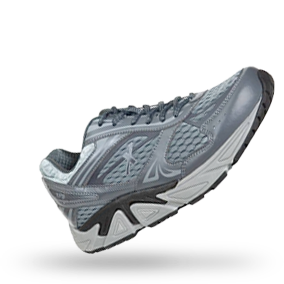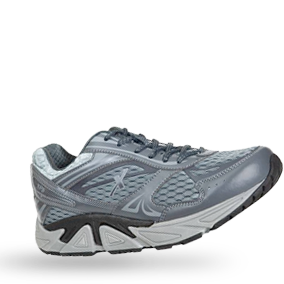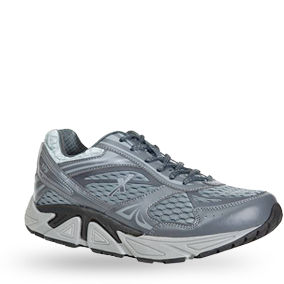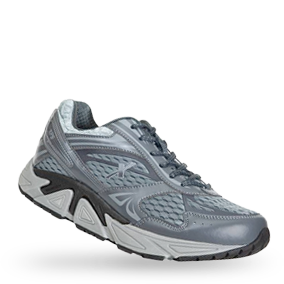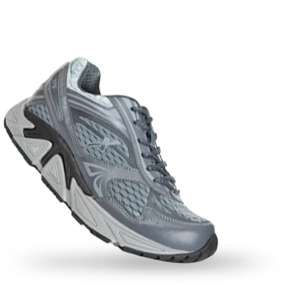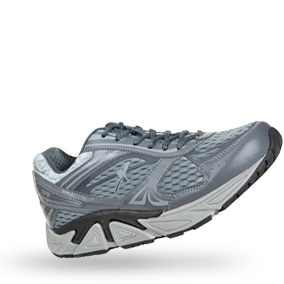
A lot of runners use the words stability and support as if they mean the same thing. They do not. If you are comparing stability vs support running shoes, the difference matters because the wrong kind of help can leave you feeling just as fatigued, sore, or misaligned as a shoe with too little structure.
That confusion usually starts with good intentions. You want a shoe that feels secure, reduces strain, and helps you keep moving comfortably. But one runner may need guidance that limits excessive inward rolling, while another simply needs a more stable platform, better cushioning, or a shape that keeps the foot aligned through each step. Those are related needs, but they are not identical.
Stability running shoes are designed to help manage how the foot moves during the gait cycle, especially when it rolls inward more than the body can comfortably control. That inward roll, often called overpronation, is not automatically bad. Pronation is a normal part of walking and running. The issue is whether the amount and timing of that motion creates stress for your feet, ankles, knees, hips, or lower back.
A stability shoe typically uses targeted structure through the midsole and heel to guide motion. The goal is not to force the foot into a rigid position. The goal is to reduce excess movement that can contribute to fatigue, collapse, or uneven loading.
Support running shoes is a broader term. Support can include stability features, but it can also mean a shoe offers a secure fit, a firm heel counter, a wide base, better arch accommodation, shock absorption, or motion-control elements that create a more aligned and comfortable ride. In other words, support is the bigger category. Stability is one type of support.
That distinction matters because many people do not actually need classic stability correction. They may need a supportive shoe that feels steady underfoot, cushions impact well, and helps reduce stress on sensitive joints.
The running industry has not always used consistent language. Some brands label any structured shoe as supportive. Others use stability as a catch-all for shoes that feel more controlled than neutral models. For shoppers, that can make the decision harder than it should be.
The simplest way to think about it is this. Stability answers a movement problem. Support answers a comfort, alignment, or control need that may come from several different design features.
A runner with mild overpronation might benefit from a stability shoe. A runner recovering from plantar fasciitis, dealing with knee discomfort, or wanting a more planted feel may need support, but not necessarily a traditional stability shoe. A person with balance concerns may also prioritize a stable, supportive platform even if their gait does not show clear overpronation.
Stability shoes tend to work best for runners who show a repeatable pattern of excess inward motion and feel the effects of it over time. That might show up as arch strain, ankle fatigue, medial knee pain, or uneven wear on the inside edge of the shoe. It can also show up as a feeling that the foot collapses or the ankle drifts inward when you get tired.
These shoes can be especially helpful for runners who want guidance without the very rigid feel of old-school motion-control shoes. Modern stability designs are often more refined, using geometry, midsole density, and sidewall design to guide the foot more naturally.
Still, there is a trade-off. If you do not need that guidance, a stability shoe can feel intrusive. Some runners describe that as being pushed, blocked, or overcorrected. If a shoe is doing more controlling than your body needs, comfort can suffer.
Supportive running shoes serve a wider range of people. They often make sense for runners who want more protection, better alignment, and less stress during impact, but do not necessarily need pronation control.
This includes runners with a history of foot pain, people returning from injury, older adults who want a more secure ride, and anyone who notices that softer, less structured shoes leave them feeling unstable. A supportive shoe may help by giving the foot a more centered position, keeping the heel secure, and creating smoother forward motion.
That is one reason support matters beyond pure running performance. If your shoes help distribute pressure more evenly and reduce unnecessary motion, you may feel the difference not just in your feet, but also in your knees, hips, and back.
You do not have to rely on the label alone. A shoe’s design often tells you more than the marketing copy.
A stability-focused shoe usually has some kind of medial guidance or geometry that manages inward roll. That may come from firmer foam on the inside of the shoe, a guidance frame, a structured heel design, or sidewalls that center the foot.
A supportive shoe may or may not include those same features. It often earns its support through a combination of a secure upper, substantial midsole, firm heel hold, wide contact area with the ground, and enough torsional rigidity to prevent the shoe from twisting too easily. Rocker geometry can also play a role by helping the foot move forward smoothly instead of asking joints to do all the work.
For runners dealing with pain or instability, these details matter more than buzzwords. A shoe that feels balanced, aligned, and predictable underfoot is often more useful than one that simply claims support.
Start with your body, not the category. Ask what you feel during and after a run.
If your arches tire quickly, your ankles seem to roll inward, or your knees drift inward as you fatigue, stability may be worth considering. If your main issue is impact discomfort, general instability, or pain that shows up when shoes feel too soft or flexible, a more broadly supportive shoe may be the better answer.
It also helps to think about when the problem appears. If discomfort starts later in the run, that can point to fatigue-related control issues. If it appears immediately, fit, cushioning, or baseline alignment may be bigger factors.
Your current shoes can offer clues too. If the inside midsole compresses faster than the rest of the shoe, or the shoe leans when set on a flat surface, you may be loading that side more heavily. If your shoes feel wobbly but not necessarily corrective, you might need a more supportive platform rather than stronger pronation control.
For many runners, the real question is not category. It is whether the shoe helps prevent pain from building over repetitive miles.
That is where support and stability overlap. Both are trying to improve how forces move through the body. The difference is how they get there. Stability focuses more directly on motion guidance. Support looks more broadly at alignment, comfort, impact management, and underfoot security.
If you have recurring pain in the foot, knee, hip, or lower back, it is worth paying attention to whether your shoes are helping you stay aligned through each stride. In a performance-oriented support shoe, features like controlled cushioning, heel stability, and forward-motion design can reduce wasted movement and lower the stress placed on vulnerable joints.
This is also why the softest shoe is not always the most comfortable one. Very soft shoes can feel great for a few minutes, then become tiring if they allow too much motion or too little structure. A supportive shoe often feels more consistently comfortable because it keeps the foot working from a better position.
There is no universal winner in stability vs support running shoes. The better option depends on how you move, what hurts, and what kind of ride helps you stay active without aggravating symptoms.
If you need help controlling excess inward motion, a stability shoe can provide meaningful relief. If you need a secure, aligned, and comfortable platform that reduces impact stress and improves confidence with each step, a supportive running shoe may be the smarter choice. For some runners, the ideal shoe includes both.
That is especially true for people who want more than pace and mileage from their footwear. They want dependable comfort, better mobility, and a shoe that works with the body instead of against it. Brands like Xelero focus on that intersection of motion control, alignment, and forward-moving support because staying active is easier when your footwear helps reduce strain instead of adding to it.
The most useful test is simple. When you finish a run, do you feel more balanced, more comfortable, and less beaten up than you usually do? If the answer is yes, you are probably in the right category. If not, the label on the box matters less than finding a shoe that supports the way your body actually moves.