When people shop for shoes, they often focus on comfort first. That makes sense. If a shoe feels good right away, it is easy to assume it is the right choice. But comfort is only part of the equation. Stability matters too, and it can have a much bigger impact on your body than many people realize.
Your feet are the foundation of every step you take. If that foundation is unstable, the effects may not stop at your feet. Poor support can influence the way you walk, shift how your body absorbs impact, and place more stress on your ankles, knees, hips, and lower back over time. That is why stable footwear is so important, especially for people who spend a lot of time walking or standing throughout the day.
Every time you walk, your feet help absorb force, support your body weight, and guide movement from one step to the next. It is a big job. If your shoes do not provide enough stability, your feet may move too much or work harder than they should.
That can create a ripple effect throughout the body.
When your feet are not well supported, your body may have to compensate in small ways that add up over time. Those adjustments may not seem obvious at first, but after hours of walking, standing, or moving through your day, they can lead to fatigue and discomfort in more than one area.
A stable shoe is not necessarily stiff or bulky. Stability simply means the shoe helps keep your foot more secure and controlled as you move. It helps reduce excess motion, supports better alignment, and creates a steadier walking experience.
Some of the qualities that often contribute to better stability include:
The goal is not to restrict natural movement. The goal is to help the foot move in a more supported and efficient way.
Your ankles are constantly working to help maintain balance and control. If your shoes are too soft, too flexible, or lacking structure, your ankles may have to work even harder to keep you steady.
Over time, that can lead to:
A more stable shoe helps create a stronger base, which can reduce some of that extra work and make movement feel more secure.
The way your foot moves influences the way your leg moves. If the foot rolls too much or lacks proper support, that motion can travel upward and affect how the knee tracks during walking.
This does not mean every knee problem starts with shoes, but footwear can absolutely play a role in how much stress your knees absorb throughout the day. When shoes provide better control and alignment, they may help reduce the repeated strain that can make knees feel sore or tired.
This is especially important for people who walk often, stand for work, or already deal with discomfort in their lower body.
Once the body starts compensating for instability at the foot level, the hips and lower back may be affected too. If your stride is off or your alignment shifts slightly with each step, those patterns can create more stress higher up the chain.
You might notice:
Because walking is a full-body movement, support at the ground level matters more than many people think.
Sometimes it is not obvious that your shoes are part of the problem. They may still look fine. They may even feel comfortable for a short time. But if they are not providing enough stability, your body may let you know in other ways.
Signs to watch for include:
If any of these sound familiar, it may be worth paying closer attention to the type of support your shoes are actually providing.
If you are shopping for more stability, look beyond first-step comfort. A shoe should feel supportive, secure, and balanced, not just soft.
Helpful features often include:
These features can help create a more controlled stride and reduce the repeated stress that builds up during everyday movement.
Stable footwear is not only for athletes or people with serious foot issues. It can make a real difference for anyone who wants to feel more comfortable on their feet throughout the day.
Better stability may help support:
For many people, the right support makes everyday walking feel easier, steadier, and less draining.
The shoes you wear affect more than just your feet. They can influence how your whole body handles movement, absorbs impact, and responds to daily activity. When your footwear is stable and supportive, it can help create better alignment and reduce the strain that travels upward through the body.
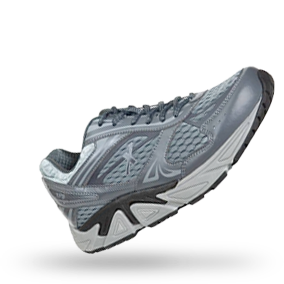
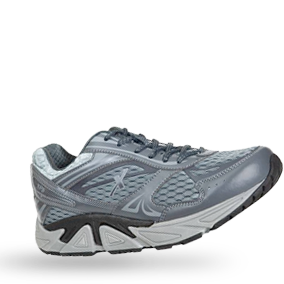
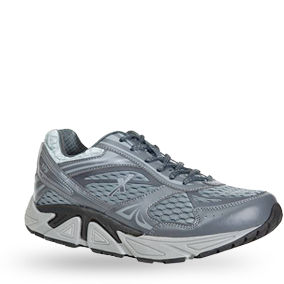
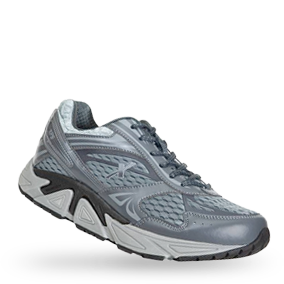
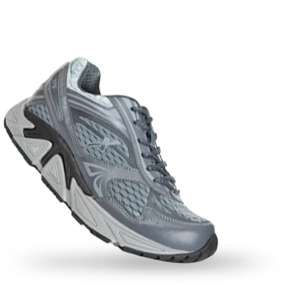
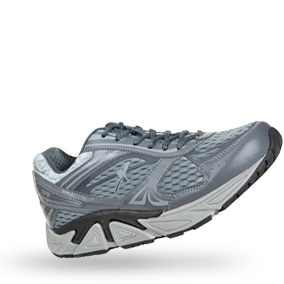
That is where Xelero can help. Xelero Shoes are designed with stability, support, and smoother forward motion in mind to help reduce stress on the feet and joints. For people dealing with foot fatigue, balance issues, or everyday discomfort, that added support can make walking feel more comfortable and controlled.