Arch pain can be easy to ignore at first. Maybe your feet feel tired after a long day. Maybe there is a dull ache through the middle of your foot when you have been standing too long. In some cases, the discomfort comes and goes. In others, it becomes a more regular problem that starts to affect walking, exercise, or everyday comfort.
The good news is that arch pain is often manageable once you understand what may be causing it. While there can be several reasons for arch discomfort, footwear is one of the most common factors people overlook. Shoes that lack structure, support, or stability can place extra strain on the arch and make daily movement more uncomfortable than it needs to be.
Arch pain refers to discomfort through the middle section of the foot, usually along the underside where the arch helps support your body weight. The pain can feel different from person to person. Some people describe it as soreness or tightness. Others notice a burning, pulling, or fatigued feeling, especially after long periods of standing or walking.
Because the arch plays such an important role in supporting movement, even mild discomfort can become frustrating over time. The arch helps distribute weight, absorb shock, and keep the foot moving efficiently. When something interferes with that function, the foot may start to feel strained more quickly.
Arch pain can happen for a number of reasons. Sometimes it is related to overuse. Other times it is tied to foot structure, walking mechanics, or the kind of shoes you wear every day.
Some common causes include:
In many cases, it is not just one thing. It is the repeated stress of everyday movement combined with footwear that is not giving the foot the support it needs.
Your shoes affect how your feet handle force with every step. If they do not provide enough support, the arch may have to work harder than it should. Over time, that can lead to strain and fatigue.
This is especially common with shoes that are:
A shoe may feel comfortable when you first put it on, but that does not always mean it is supportive. If it allows too much motion or fails to support the arch during walking, discomfort may build up the longer you wear it.
The right shoe can help reduce stress on the arch by giving the foot a better foundation. That does not mean every supportive shoe needs to feel hard or rigid. It means the shoe should help your foot feel more secure, balanced, and supported through the middle.
Supportive footwear may help by:
For many people, this kind of support makes a noticeable difference not only in the feet, but also in overall walking comfort.
If arch pain has become a recurring issue, it helps to know what features to prioritize when shopping for shoes.
Arch Support
A supportive shoe should provide noticeable structure through the midfoot. The goal is to support the arch rather than let it collapse under pressure.
Stable Cushioning
Cushioning is helpful, but it should still feel supportive. Shoes that are too soft may not give the arch enough control.
Secure Heel
A stable heel helps support the rest of the foot. If the heel feels loose or unstable, the arch may end up working harder to compensate.
Supportive Sole
A shoe that bends too easily through the middle may not offer enough support. A more structured sole can help make walking feel steadier and less tiring.
Good Overall Fit
Even a supportive shoe can fall short if it does not fit correctly. Your foot should feel secure, not cramped, and not like it is sliding around inside the shoe.
If you are dealing with arch pain, certain types of footwear may work against you.
It is often best to avoid:
Shoes do not have to look overly technical to be supportive, but they should give your foot more than just softness.
Sometimes arch pain is less about the style of shoe and more about how worn out it has become. Over time, cushioning compresses, support breaks down, and the shoe stops doing its job as well.
It may be time to replace your shoes if:
Replacing worn shoes can be a simple but important step in improving daily comfort.
Arch pain is common, but that does not mean it should be ignored. If your shoes are not giving your feet enough support, they may be contributing to the problem more than you realize. Better footwear can help reduce strain on the arch, improve stability, and make walking feel less tiring.
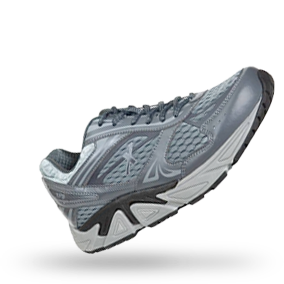
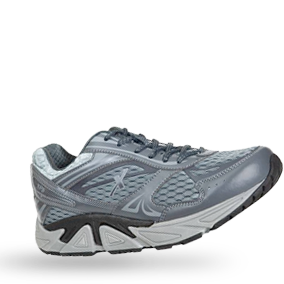
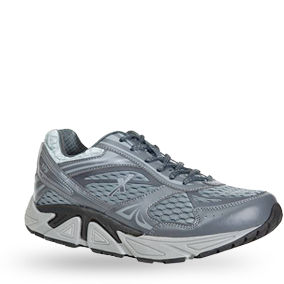
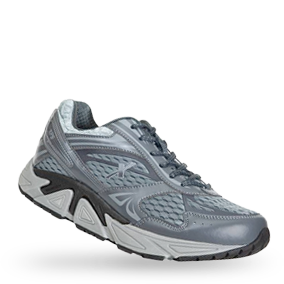
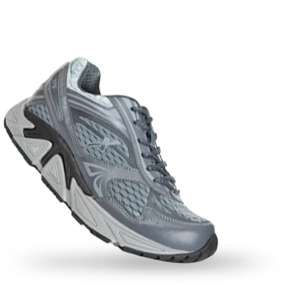
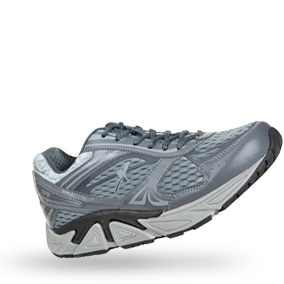
Xelero shoes are designed to provide stable support, controlled cushioning, and a more balanced walking experience. For people dealing with arch pain, foot fatigue, or discomfort during daily movement, that added structure can help make each step feel more comfortable and supported.