When your feet hurt, it is easy to focus only on the point of pain. But your feet are the foundation of your body, and the way they move can affect much more than just your toes, heels, or arches. If that foundation is unstable, the strain can travel upward into your knees, hips, and lower back.
That is why foot pain and upper-body discomfort are often more connected than people realize.
Walking is a chain reaction. Each step involves the feet, ankles, knees, hips, and spine working together. If the foot lands poorly, rolls too much, lacks support, or does not move efficiently, the rest of the body may have to compensate. Over time, that compensation can contribute to discomfort that seems unrelated at first glance. Keeping the foot aligned through the gait cycle can result in less stress on the foot, ankle, knee, hips, and lower back.
Your feet absorb impact and help guide movement every time you walk. When shoes do not support that movement properly, the body may shift how it handles weight and force.
That can result in:
Even small alignment issues can become more noticeable when repeated over thousands of steps per day.
The knees are especially sensitive to changes in foot motion. If the foot rolls inward too much or lacks stability, it can affect how the leg tracks during walking. That may create extra pressure on the knee joint and the muscles around it.
People may notice:
A supportive shoe can help by promoting a more stable stride and reducing excess motion that travels upward from the foot.
Hip discomfort is not always caused by the hips themselves. When the feet and knees are not moving efficiently, the hips may have to compensate for that imbalance. This is especially true when the body is trying to maintain stability while walking.
If the foot is not well supported, the hips may end up absorbing more strain than they should. Over time, that may contribute to:
The goal of a supportive walking shoe is not just to make the foot feel better. It is to improve the way the entire lower body handles movement.
Lower back pain can have many causes, but footwear is often overlooked. If your feet are not properly supported, your body may change how it stands and walks. Those small changes in alignment can place more strain on the lower back over time.
This may happen when:
When the foot is not functioning well, the rest of the body often has to adjust. The lower back is one of the places where that adjustment may show up. Our motion control approach helps to reduce stress not only on the foot, but also on the knee, hips, and lower back.
Sometimes the connection is subtle. You may not realize your shoes are contributing to broader discomfort until you start paying attention to patterns.
Warning signs may include:
If the discomfort tends to build over the course of the day, your walking mechanics and footwear may be worth evaluating.
A more supportive shoe may help reduce the chain reaction that starts at the feet and travels upward. Useful features often include:
These features help create a steadier stride, which may reduce the stress placed on other joints.
The relationship between foot pain and knee, hip, and back discomfort is often stronger than people expect. When your feet are not properly supported, the rest of your body may have to absorb the consequences. That does not mean every ache begins in your shoes, but it does mean footwear can play a bigger role than many people realize.
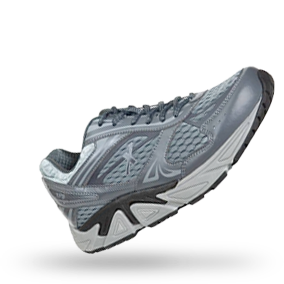
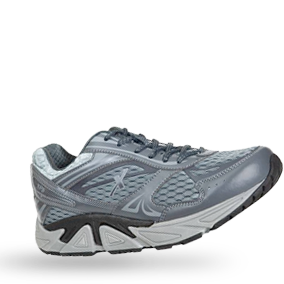
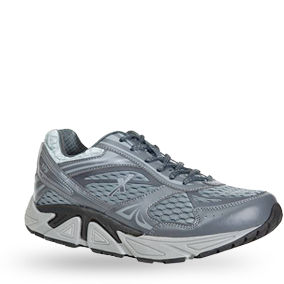
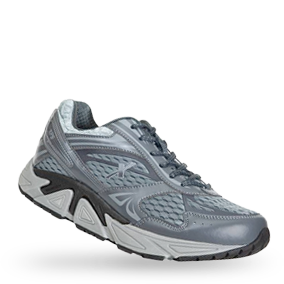
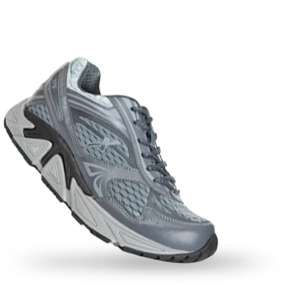
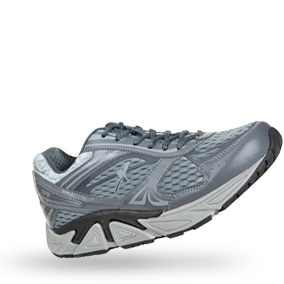
For people who need more support, Xelero shoes are built around features such as Motion Control Technology, rearfoot stability, stable cushioning, and an internal rocker that supports smoother forward motion. According to the brand, these design elements help keep the foot aligned throughout the gait cycle and reduce stress on the foot, ankle, knee, hips, and lower back.